Freedom of expression is guaranteed by Section 39 of the 1999 Constitution (as amended) and remains central to democratic accountability. It empowers citizens to question public officials and demand explanations. However, in every serious democracy, that freedom ends where verified facts begin, and where expression mutates into persistent falsehood calculated to damage reputation.
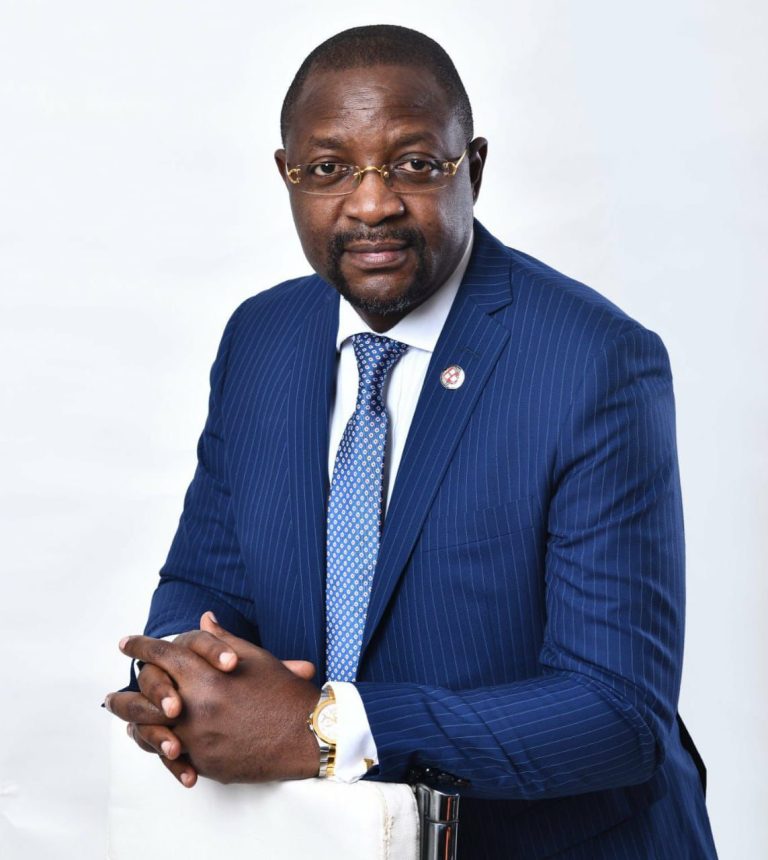
The controversy surrounding the NYSC certificate of the Honourable Minister of Interior, Hon. Olubunmi Tunji-Ojo brings this boundary into sharp focus. At the outset, the public commentary of Mr. Emorioloye Owolemi questioning the credentials of a serving minister, fell within the permissible space of civic scrutiny.
Public office invites questions, and democracy must accommodate them.
That latitude, however, was exhausted the moment competent institutions spoke. The National Youth Service Corps (NYSC) and other relevant statutory bodies, acting within their lawful mandate, formally affirmed the authenticity of Dr. Tunji-Ojo’s credentials. In law, such affirmations attract a presumption of regularity and correctness, which cannot be displaced by speculation, repetition, or online insistence.
From that point onward, Mr. Owolemi’s continued publication of the same allegations without new, credible, or verifiable evidence, ceased to be inquiry or dissent. It crossed decisively into malicious publication, animated by defiance of institutional confirmation and directed solely at reputational injury. No democratic system that values order and institutional authority can legitimize such conduct under the banner of free speech.
On this issue, Dr. Tunji-Ojo stands unambiguously vindicated. His integrity was not defended by political influence or executive fiat, but by statutory institutions discharging their duties. To question those findings without evidence is not activism, it is an assault on the credibility of the state itself.
Yet power, when secure, does not need to be heavy-handed. Leadership is measured not only by the correctness of one’s position, but by the wisdom with which authority is exercised. While Mr. Owolemi’s actions crossed legal boundaries, the response should still reflect democratic restraint, proportionality, and confidence in the truth already established.
A call for leniency in these circumstances would not sanitize misconduct, nor dilute the authority of the law. Rather, it would signal strength, rooted in institutional validation, moral confidence, and transformational leadership. It would affirm that while the state will not tolerate malicious falsehood, it also does not govern by vindictiveness.
Democracy is strengthened when institutions speak conclusively, when falsehood is restrained, and when leaders, secure in the legitimacy of their office choose restraint as an expression of power, not weakness.
Dr. Olubunmi Tunji-Ojo has the standing, the vindication, and the opportunity to make that statement. I plead for the release of Mr. Owolemi.