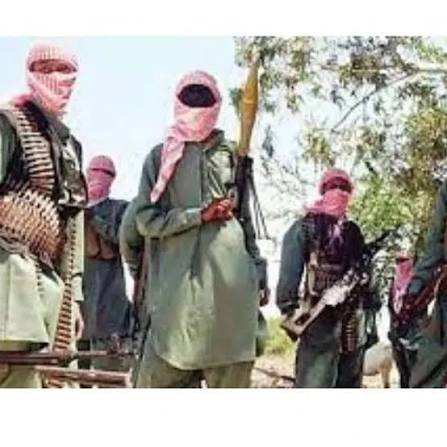
In a fierce confrontation near the shores of Lake Chad, rival jihadist factions Boko Haram and the Islamic State West Africa Province (ISWAP) engaged in one of their deadliest clashes in recent years, resulting in approximately 200 fatalities.
The battle occurred in Dogon Chiku, a flashpoint area long contested by these groups due to ideological differences and territorial ambitions.
According to Babakura Kola, a member of an anti-jihadist militia collaborating with Nigerian security forces, “From the toll we got, around 200 ISWAP terrorists were killed in the fight.
A former Boko Haram fighter, who now renounces violence but continues to monitor jihadist activities, corroborated this figure, asserting that “around 200 ISWAP fighters were killed in the clashes,” and that several weapons belonging to ISWAP were seized during the fighting.
The former militant, who asked to be identified only by his first name, Saddiku, further reported that Boko Haram’s losses were significantly lighter, with only four fighters killed in the battle. Saddiku remarked, “This could be the worst clash between the two groups since they began attacking each other.”
An intelligence source operating in the Lake Chad region confirmed these reports and estimated that the casualties from the fighting “killed more than 150,” adding that the security agencies “are aware of the fighting which is good news to us.”
The violent rivalry between Boko Haram and ISWAP stems from their split in 2016, which was rooted in ideological disagreements. Since then, the two groups have frequently engaged in deadly skirmishes, especially in the volatile Lake Chad basin, a region crucial for control due to its strategic and symbolic significance for both factions.
The intensity of the conflict in Dogon Chiku reveals the deeply entrenched divide within jihadist movements in the area, complicating efforts by Nigerian forces and local militias to restore peace and order.