The longstanding advocacy for gender balance in Nigeria’s politics has taken a significant leap forward as President Bola Tinubu, Senate President Godswill Akpabio, and Speaker of the House of Representatives Tajudeen Abbas publicly endorsed the Reserved Seats for Women Bill.
Currently under consideration at the National Public Hearing on Constitution Alteration in Abuja, the bill aims to amend the 1999 Constitution by creating additional seats in both the National Assembly and state legislatures specifically reserved for women. Proponents assert that this initiative is a critical step in addressing decades of systemic exclusion of women from decision-making and governance.
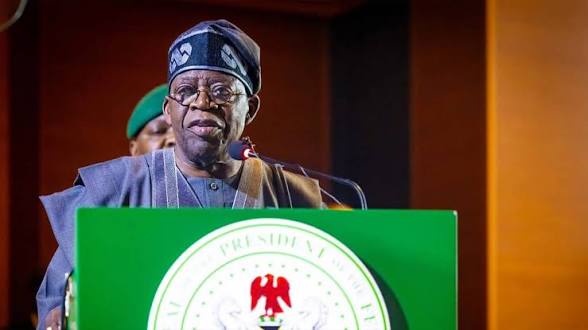
Tinubu, represented by the Secretary to the Government of the Federation, George Akume, emphasized that constitutional reform must reflect contemporary realities, thereby promoting equity and strengthening Nigeria’s democracy. “This process is about giving Nigerians renewed confidence that their voices matter in shaping the future of our democracy. The outcome will receive due attention as part of our collective quest to build a stronger and more united Nigeria,” Tinubu stated.
Akpabio, represented by Deputy Majority Whip Onyekachi Nwaebonyi, remarked that the constitution belongs to the people, not just lawmakers. “This hearing is your opportunity to shape a constitution that is people-oriented and inclusive. At the end of the day, history should record that the 10th National Assembly gave Nigerians a truly representative constitution,” he said.
Abbas characterized the Reserved Seats Bill as a “necessary legal instrument” for promoting women’s inclusion in governance, asserting that the matter is one of justice rather than pity. He also indicated that lawmakers are considering additional reforms, including quotas for women in ministerial positions and legal recognition for persons with disabilities.
Deputy Speaker Benjamin Kalu, chairing the Constitution Review Committee, hailed the bill as “transformative,” emphasizing that it aims to dismantle systemic exclusion. “This is not symbolism. It is about giving women constitutional space to contribute meaningfully to policymaking and governance,” he affirmed.
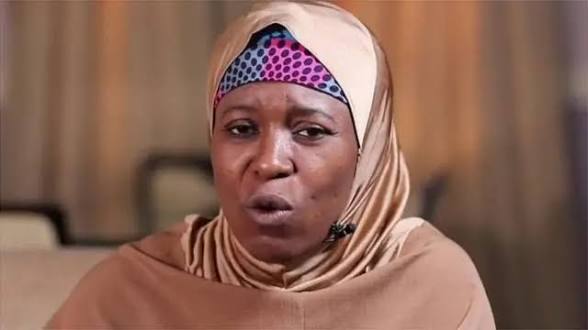
In a remarkable display of unity, over one million Nigerian women from all 36 states and the FCT formally signed petitions advocating for the swift passage of the bill. Irene Awunah-Ikyegh, President of the League of Women Voters of Nigeria (NILOWV), described the bill as a “legacy opportunity” for the 10th Assembly. “With only 15 women in the House of Representatives and four in the Senate, our democracy cannot be called inclusive. One woman senator per state, one representative per state, and additional seats in state assemblies would change this narrative forever,” she warned.
International support has also bolstered the call for women’s political inclusion, with endorsements from the British High Commissioner to Nigeria, Richard Montgomery; EU Ambassador to Nigeria and ECOWAS, Gautier Mignot; and UN Resident Coordinator, Mohammed Fall, all expressing backing for the reform process.
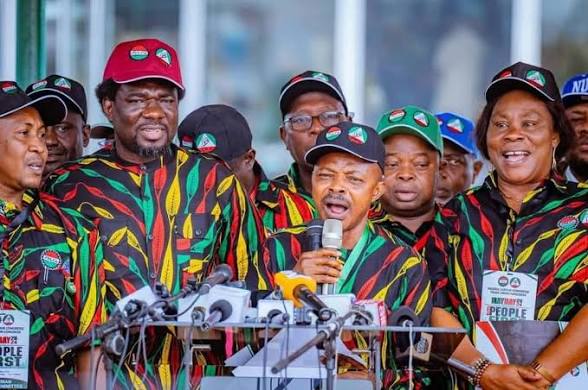
Prior to the hearing, hundreds of women protested in support of the bill, with a caravan of buses and trucks playing lively Afrobeats as they made their way through the city, demanding representation. They presented their memoranda, emphasizing that inclusive governance is essential for improving leadership in the country.
A representative of the Nigerian Armed Forces sought clarification on the omission of proposed legislation to review the Armed Forces Act in the submitted compendium, asserting that its inclusion is vital for a robust legal framework to enhance national security and cohesion. “The Armed Forces especially request clarification and reasons for the omission to better understand the status of the submission and the way forward,” he stated.
Speaking on behalf of the National Council of Traditional Rulers, the Etsu of Nupe, Yahaya Abubakar, lamented the exclusion of traditional authorities from the 1999 Constitution. He described traditional rulers as a bridge between governance and the governed, urging for their formal recognition. “We urge this committee to ensure that our roles are integrated into the Constitution, so we can continue to mediate, administer, and maintain peace effectively,” he said.
Lois Auta-Udonkanta, President of the Network of Women with Disabilities, highlighted the exclusion of persons with disabilities from governance. “We are excluded. We are underrepresented in every sector. In Kenya, we have a visually impaired woman who is a senator. What is Nigeria doing? It is time we move from exclusion to participation, and from participation to representation,” she asserted.
Former Minister for Information, Chief Frank Nweke Jnr, advocated for diaspora voting and independent candidacy to expand democratic inclusion. He noted the Nigerian diaspora’s economic contribution, estimated at over $20 billion in remittances in 2024, arguing that Nigerians abroad should possess the constitutional right to vote.
Additionally, a representative of the Alaafin of Oyo submitted proposals for creating additional local government areas in Oyo State, asserting that such reforms would enhance administrative efficiency and equitable representation.
Dr. Ahmed Abubakar Audi, Commandant General of the Nigeria Security and Civil Defence Corps (NSCDC), called for constitutional recognition of the corps’ mandate and authority. He urged amendments to Sections 2 and 4 of the Constitution to formalize their role in protecting government infrastructure, combating illegal mining, ensuring school safety, and regulating private security operators.
A representative of the Peoples Democratic Party (PDP) emphasized the need for electoral reforms ahead of the 2027 elections, particularly provisions for the electronic transmission of results to enhance transparency and ensure free and fair elections.
Nigeria ranks among the lowest in Africa for women’s political representation, with women holding less than five percent of parliamentary seats. Advocates argue that the passage of the Reserved Seats Bill will correct historical imbalances and strengthen governance by ensuring diverse voices at the table.
As the hearings progress, pressure mounts on the 10th National Assembly to seize this moment for historic change. For women across Nigeria, the Reserved Seats Bill is not merely legislation; it represents a promise of inclusion, justice, and a more representative democracy.
Deputy Speaker Benjamin Kalu characterized the exercise as “Nigeria’s most inclusive constitutional review in history,” stressing that its outcome must reflect citizens’ voices, not merely the preferences of the political elite. In his opening remarks at the public hearing, Kalu emphasized that the legitimacy of the new amendments depends on their acceptance by Nigerians.
He described this stage as the culmination of months of public consultations across the six geopolitical zones, during which citizens, civil society groups, traditional leaders, security agencies, and professional bodies submitted memoranda and testimonies.
Kalu traced Nigeria’s constitutional evolution from the 1922 Clifford Constitution to the current 1999 Constitution, arguing that each era has mirrored the anxieties and aspirations of its time. However, he noted that the 1999 Constitution, drafted by the military, has been contested for its lack of representativeness of Nigeria’s democratic will. For the amendments to take effect, they must secure a two-thirds majority in both chambers of the National Assembly and approval from at least 24 state Houses of Assembly.
Kalu cautioned that while the public hearing marks the “final stage of citizen engagement,” the bills will still undergo “rigorous scrutiny, harmonization with the Senate, and pruning by state assemblies.” He urged Nigerians to remain vigilant and hold lawmakers accountable until the reforms are passed.
Speaker of the House of Representatives, Abbas Tajudeen, described the hearing as “a significant moment in Nigeria’s democratic journey.” He praised Kalu’s leadership in conducting zonal consultations that gathered the “hopes, concerns, and insights of Nigerians from every background,” stressing that this hearing unites diverse voices into a national conversation.
He underscored the importance of timeliness, warning that constitutional reform often loses momentum when it drags on.
While the review encompasses 87 amendment bills, three areas stand out as pivotal battles that could alter Nigerian governance if passed:
1.State and Community Policing: One of the most notable proposals seeks to establish state and community police forces. This initiative responds to calls for localized solutions to Nigeria’s pervasive insecurity, which has left communities vulnerable to insurgency, banditry, and kidnappings. The debate over state police has been one of Nigeria’s longest-running constitutional controversies, with past attempts thwarted by fears of abuse by political actors. However, the current security crises demand urgent action.
2. Reserved Seats for Women and Persons with Disabilities: Another landmark amendment proposes constitutionally guaranteed reserved seats for women and persons with disabilities in the National Assembly and State Houses of Assembly. With Nigeria currently among the most underrepresented countries in terms of women in politics, advocates argue that this is the only viable path to achieving meaningful gender balance.
3. Local Government Autonomy: The third key area seeks to enhance the financial and administrative independence of local governments. The amendment aims to establish a structured system for local government operations, including an independent electoral body for conducting elections and full financial autonomy.
The 87 amendment bills are categorized into key reform themes impacting virtually every sector of Nigerian life:
Electoral Reforms: These proposals include conducting all general elections on a single day, establishing independent candidacies, preventing invalidation of elections based on deputy qualifications, and ensuring appointment of the Independent National Electoral Commission chairman by the National Judicial Council.
Judicial Reforms: Proposed amendments aim to designate the Court of Appeal as the final appellate body for certain election petitions, create Local Government Election Tribunals, and empower judges to conclude part-heard criminal cases after elevation to higher courts.
Devolution of Powers: Bills propose transferring water management and natural resource control to state governments, allowing for shared revenue with the Federal Government.
Strengthening Institutions: Proposals include mandating publication of Auditor-General’s reports and enforcing budget presentation timelines.
Traditional Institutions: A single bill seeks to formally recognize and assign advisory roles to traditional rulers in governance and community development.
Human Rights: Proposed bills aim to ban the public parading of crime suspects and domesticate international human rights treaties.
Citizenship and Indigeneship: Bills propose granting citizenship to foreign spouses of Nigerian women and introducing “citizenship by investment.”
In a related development, the civil society organization One Nation One Law (ONOL) has urged the National Assembly to remove Sharia law from the Nigerian Constitution, asserting that its inclusion enables torture. Presenting their position at the House of Representatives public hearing, ONOL argued that while the Constitution prohibits torture, it simultaneously empowers Sharia courts to administer cruel punishments, creating a fundamental contradiction.
ONOL cited numerous instances of mob violence linked to Sharia provisions, asserting that their removal would end such practices and promote national unity. They condemned the constitutional bias favoring Islam while neglecting other faiths, arguing that this violates the principle of religious neutrality enshrined in the Constitution.
As the constitutional review process unfolds, the stakes are high for the future of governance in Nigeria, with advocates calling for reforms that offer inclusion, justice, and representation for all citizens.