A Nigerian Islamic cleric has stirred strong reactions nationwide after publicly advising President Bola Tinubu to order the arrest of all pastors, including revered church leaders such as Pastor Enoch Adeboye, in response to Nigeria’s worsening security situation. The cleric declared, “President Tinubu should arrest all pastors in Nigeria – including myself, Adeboye, and the rest – and force us to pray so that insecurity will end in the country.”
Speaking amid escalating violence, banditry, and terrorism, the cleric emphasized the need for radical intervention and spiritual mobilization to address what he described as a national emergency. His petition argued that the influential role of religious leaders and their ability to call large numbers of worshippers together could be harnessed by compelling them to pray collectively for peace. “Let them gather us; let us pray and fast as Nigerians, as religious leaders – Christians and Muslims alike. Maybe that will bring an end to these incessant killings, kidnappings, and attacks,” he stated.
The statement immediately sparked controversy across religious, political, and civil circles. Many questioned both its legality and effectiveness, while others suggested it exposed the deep frustration over leadership responses to Nigeria’s persistent insecurity.
Prominent pastors and Christian leaders reacted strongly, some defending the right to voluntary prayer and religious freedom. Others echoed the cleric’s call for national repentance, but rejected the idea of arrests as a form of compulsion.
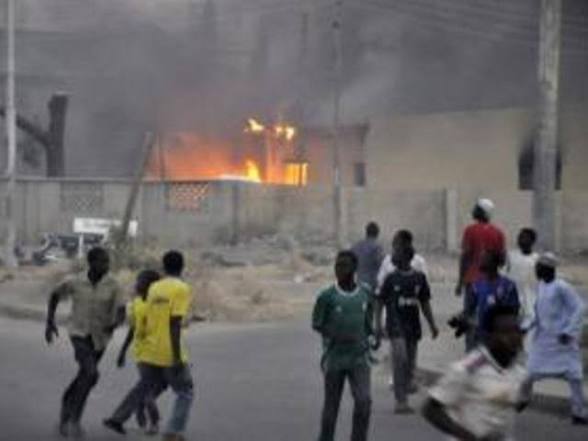
The cleric’s plea follows a surge of attacks in various regions, including recent incidents reported by security agencies and media: bandits have targeted churches during worship services, abducted schoolchildren, and killed civilians in rural communities. These tragedies have provoked widespread grief and calls for decisive action from both government and faith leaders.As insecurity remains a central issue for President Tinubu’s administration, calls for collaborative prayers, community mobilization, and policy reforms dominate public discourse. The cleric concluded, “If we truly believe in the power of prayer, let us put it to work for Nigeria – starting now.”
This unprecedented call to detain religious figures as a catalyst for peace illustrates the urgency and complexity of addressing Nigeria’s security crisis, and reignites debate on the role of faith in national leadership.