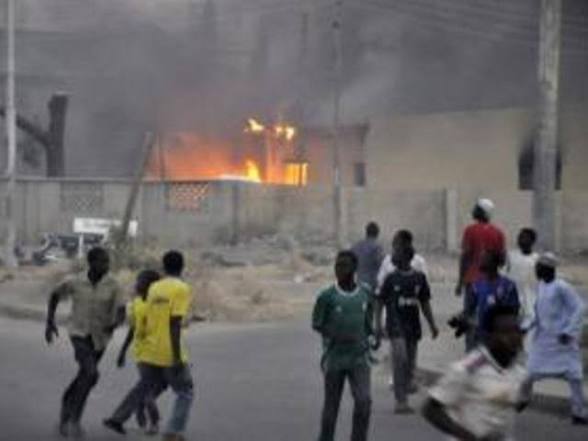
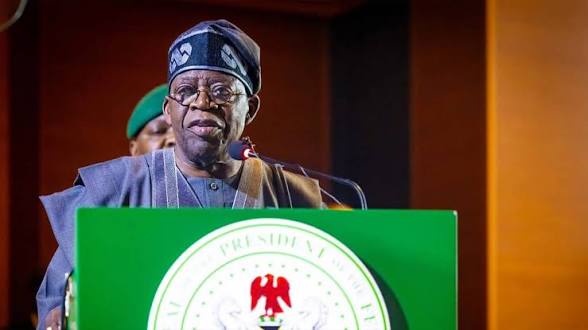
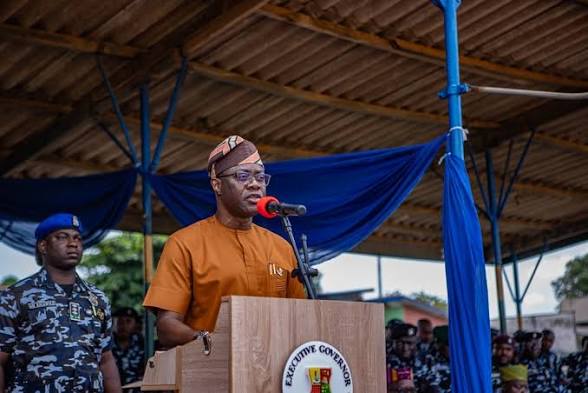
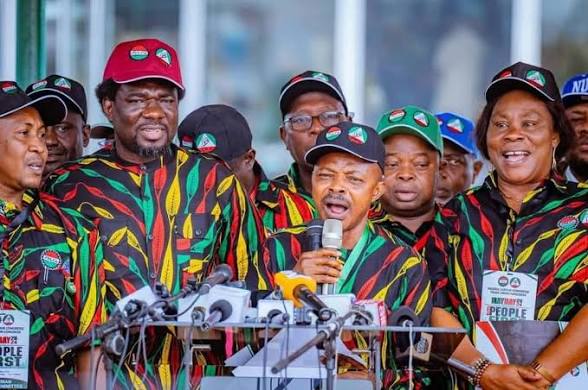
An influential Arewa leader has stirred controversy by urging the Federal Government to grant amnesty to armed bandits terrorising communities across northern Nigeria. In a recent media interview, the elder statesman argued that dialogue and a structured pardon programme, rather than purely military action, offer the “only realistic path” to ending years of bloodshed, mass abductions and rural displacement. He maintained that many bandits were “victims of poverty and neglect” who took up arms out of desperation and should be given a chance to renounce violence and reintegrate into society.
According to him, the government should create a formal disarmament, demobilisation and reintegration (DDR) framework that would encourage bandit leaders and their foot soldiers to surrender weapons in exchange for rehabilitation, vocational training and monitored resettlement. The Arewa figure insisted that “no society wins a war by killing all its youths,” stressing that a carefully supervised amnesty, backed by traditional and religious leaders, could “turn fighters into farmers and traders again” and restore economic life to devastated rural communities. He pointed to previous peace deals in parts of the North-West as evidence that some gunmen are willing to drop their arms if they are assured of safety and genuine support.
However, his proposal has been greeted with anger and suspicion by many Nigerians, especially victims of bandit attacks who see amnesty as a reward for murder, kidnapping and land-grabbing. Critics argue that granting pardons to heavily armed groups undermines the rule of law, insults grieving families and sends a dangerous message that “crime pays” while law‑abiding citizens get little protection. Human-rights advocates and security analysts also warn that earlier peace deals and informal amnesty arrangements in some states failed to stop violence, as many supposedly “repentant” fighters later returned to the forests with new weapons and deeper knowledge of security vulnerabilities.
Opponents further note that activists, journalists and peaceful protesters are frequently prosecuted or detained, while violent actors are openly courted for negotiations and potential benefits. They insist that any genuine peace process must start with justice—identifying and prosecuting masterminds of massacres and kidnappings, dismantling their financial networks and securing captured territories—before talk of rehabilitation. For them, the priority should be strengthening policing, intelligence gathering, community protection and victim support, rather than negotiating with groups officially designated as terrorists or bandits.
The Arewa leader’s comments have nonetheless reopened a long‑running national debate over how best to confront Nigeria’s worsening insecurity. Supporters of his position argue that the sheer scale of banditry, the vast forest terrain and overstretched security forces make a purely military solution unrealistic, and that conditional amnesty could be used selectively for low‑level fighters while commanders still face trial. Opponents counter that without clear accountability, transparency and guarantees to victims, another round of amnesty risks deepening public distrust and entrenching a cycle in which armed groups simply wait for the next government‑sponsored pardon.