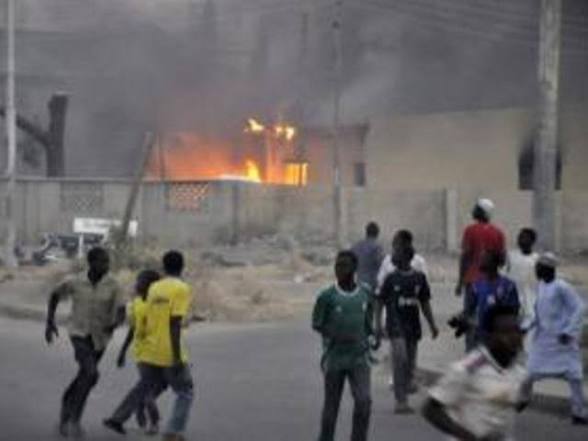
The presidential aide, Daniel Bwala, has promised that the Nigerian government will soon publicly reveal the identities of individuals and entities sponsoring terrorism across the country, amid mounting pressure from citizens and civil society groups demanding accountability for ongoing insecurity. The announcement comes as bandits, insurgents, and other criminal networks continue to unleash terror in various regions, prompting renewed calls for transparency on the financial backers enabling these attacks.
Presidential aide Daniel Bwala made the pledge during a recent public statement, assuring Nigerians that concrete action is underway. “In the coming days, Nigerians will know who the terrorists are and those funding them,” he declared, noting that terrorism has evolved into a sophisticated enterprise sustained by hidden financiers. Bwala emphasised that the government is working to dismantle these networks, adding that the revelation would mark a turning point in the fight against insecurity.
The promise revives long-standing demands from activists and Nigerians frustrated by years of unfulfilled assurances. Legal activist Inibehe Effiong, for instance, has repeatedly criticised previous administrations for failing to name sponsors despite repeated vows. “Till date, the government has not revealed the sponsors of terrorism in Nigeria,” Effiong stated earlier, highlighting the gap between rhetoric and results.
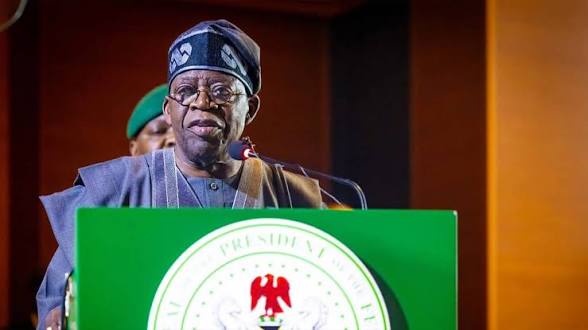
This latest commitment follows heightened US support for Nigeria’s counter-terrorism efforts, including intelligence sharing and weapons supplies amid rising attacks. It also aligns with President Bola Tinubu’s broader security strategy, though critics argue that past pledges—such as those from earlier administrations—have rarely led to prosecutions or asset seizures of alleged backers.
As Nigerians await the promised disclosures, the statement underscores the administration’s determination to confront what Bwala described as an “evolved” threat, where funding sustains arms, logistics, and operations for groups terrorising communities nationwide. Whether this leads to arrests, sanctions, or international cooperation remains to be seen, but the pledge has reignited hopes—and scepticism—among a populace weary of insecurity.