The Rule of Law and Accountability Advocacy Centre (RULAAC) has called on the Nigerian government to show real commitment to protecting citizens’ fundamental rights, insisting that human rights must be treated as everyday essentials, not abstract promises.
In a statement marking Human Rights Day 2025, observed globally on December 10, RULAAC’s Executive Director, Okechukwu Nwanguma, highlighted this year’s theme — “Human Rights, Our Everyday Essentials” — which emphasises the importance of access to clean water, food, healthcare, housing, education, justice, and freedom of expression.
The organisation noted that although human rights form the foundation of a peaceful and inclusive society, millions of Nigerians still lack basic necessities due to poor governance, corruption, insecurity, and worsening humanitarian conditions. It warned that rights that should be guaranteed by the state are increasingly accessible only to the wealthy or politically connected.
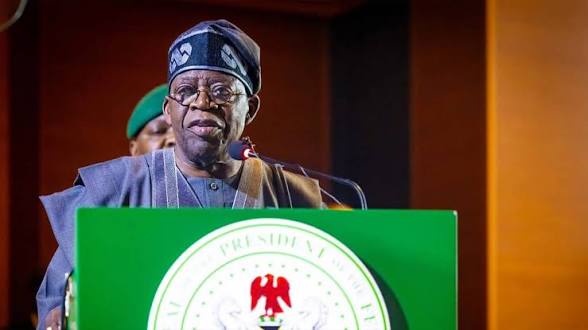
RULAAC urged President Bola Tinubu’s administration to move from promises to concrete action, stressing that Nigeria continues to fall short of the global and regional human rights commitments it has signed.
The group identified several urgent areas where citizens are being denied essential rights:
Water: Many communities still rely on unsafe water sources, posing serious health risks.
Healthcare: Primary healthcare systems are collapsing due to underfunding and medicine shortages, affecting vulnerable groups such as women, children, and rural residents.
Education: Insecurity, inadequate infrastructure, rising school fees, and the growing number of out-of-school children continue to threaten access to quality education.
Freedom of expression: Journalists, activists, and ordinary citizens face intimidation, arrests, and digital surveillance for voicing opinions.
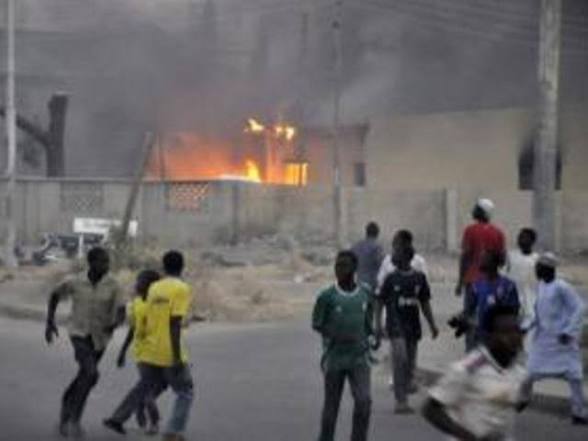
Security: Police brutality, extrajudicial killings, kidnapping, and communal violence highlight the failure of the state to protect lives.
Calling these patterns “persistent violations,” RULAAC urged the government to prioritize essential services, guarantee free expression and civic participation, reform policing, combat insecurity responsibly, and strengthen anti-corruption systems. It also emphasized special protection for vulnerable groups, including women, children, people with disabilities, displaced persons, and the poor.
RULAAC stressed that human rights are binding obligations, not acts of charity, warning that Nigeria cannot claim to protect human rights internationally while neglecting them domestically.
The organisation reaffirmed its dedication to monitoring abuses, supporting victims, promoting police accountability, and advocating for a Nigeria where human rights are upheld daily for every citizen.