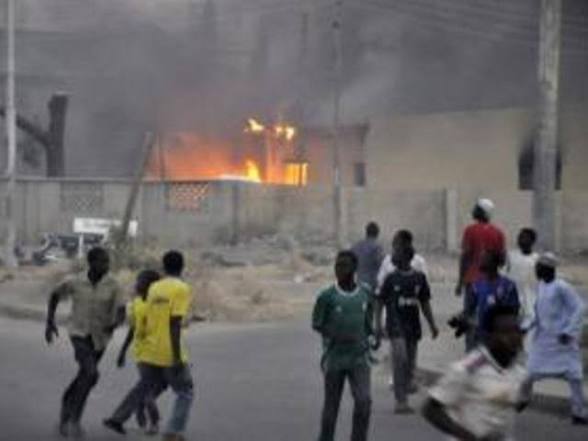
An embattled lawmaker representing a constituency in Zamfara State was violently attacked by an angry mob in Dansadau town on Wednesday, as deep-seated frustrations among residents over perceived neglect and poor representation finally erupted into public confrontation.
The legislator, Honourable Kabiru Mikailu, who was in the community accompanying Governor Dauda Lawal on an official visit, was reportedly assaulted by residents who accused him of failing to adequately represent and engage with his constituents since his election to the Zamfara State House of Assembly.
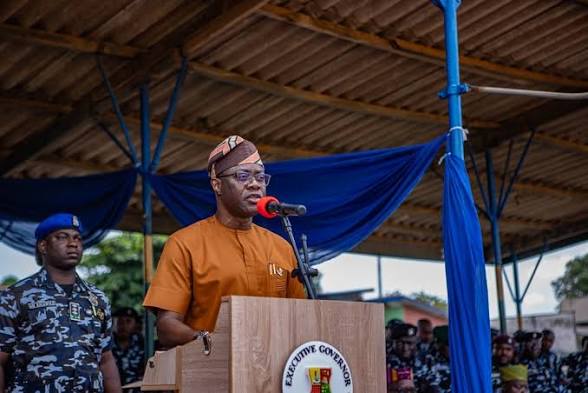
Governor Lawal had travelled to Dansadau, in Maru Local Government Area, to flag off the reconstruction of the 90-kilometre Dansadau–Gusau road — a project officials described as pivotal for enhancing connectivity and economic activity in the region — and to announce plans to rehabilitate the general hospital and introduce solar-powered electricity to the town.
Despite these announcements, tensions quickly escalated when a segment of the crowd turned its ire toward Mikailu. According to eyewitnesses, the lawmaker was confronted with shouts and accusations that he had neglected his duties, rarely visiting the community or participating in major local events since assuming office.
Residents also cited his absence from recent Sallah festivities and his failure to commiserate with families affected by repeated bandit attacks in the area — a sign, they said, of acute disconnect between him and his constituents.
Security operatives attached to the governor’s entourage quickly moved to intervene, restoring calm and preventing further escalation. Authorities have not yet disclosed the full extent of Mikailu’s injuries, but he was seen being shielded from the crowd and eventually evacuated from the scene.
One common chant heard during the confrontation was “bamuayi,” a Hausa expression typically used to signal rejection or profound displeasure toward an individual’s performance.
While some social media footage showed the lawmaker being slapped and manhandled, security personnel eventually overpowered the attackers and ushered him away to safety.
The incident underscores broader public discontent in parts of Zamfara State, where insecurity, economic hardship, and limited development have long plagued communities. Many residents across the region have frequently protested rising banditry and inadequate government response, amplifying frustrations over perceived marginalisation by political leaders.
Local elders and community leaders, while condemning the violence, acknowledged the depth of frustration among youths. “We do not support mob action,” one traditional leader said, “but the government must listen to the cries of the people. Hunger, insecurity, and neglect are pushing youths to the edge.”
The Zamfara State Police Command confirmed that officers were deployed to restore calm and prevent further violence. A police spokesperson, in a brief statement, emphasised that while citizens have the right to express grievances, “taking the law into one’s hands will not be tolerated.”
As of press time, neither Mikailu nor his office had issued an official statement responding to the incident. Close associates, however, described him as shocked by the level of anger and indicated that he would review his engagement with constituents.
The attack has sparked renewed debate across political circles and civil society about accountability, grassroots representation, and how elected officials engage with communities, especially in regions grappling with insecurity and underdevelopment.