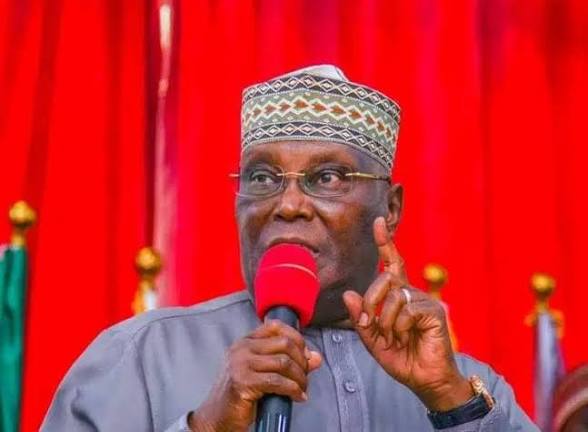
The former Vice President, Atiku Abubakar, has thrown a fresh political spotlight on the continued non-implementation of the Supreme Court’s judgment on local government autonomy, urging President Bola Tinubu to immediately enforce the ruling and cease what he described as a growing constitutional crisis.
In a statement posted on his official X account on Wednesday, December 24, 2025, the leading opposition figure expressed deep concern that the Tinubu administration has spent almost two years without acting on one of Nigeria’s most significant judicial pronouncements in recent years—a judgment affirming the financial autonomy of the country’s 774 local government councils in Nigeria.
Thus, Supreme Court judgments are final, not optional. Persistently refusing to enforce one is a direct breach of the Constitution and a violation of the oath you swore to Nigerians,” Atiku wrote, underscoring his administration’s view that defiance of the apex court’s conclusions amounts to more than mere delay.
Atiku’s statement went beyond procedural criticism, framing the government’s inaction as a deliberate political maneuver. He argued that ignoring the judgment appears designed to extract partisan advantages, warning that: “This is not a delay. This is defiance. Your refusal to act is a calculated political move, using obedience to the law as a bargaining chip to force opposition governors into the APC and to keep governors within your party firmly under your control.”
He insisted that the continued withholding of financial autonomy from local councils, the tier of government closest to everyday Nigerians, has direct negative challenges on basic services and economic conditions. “Local governments are the closest arm of government to the people. By withholding their financial autonomy, you are not weakening governors; you are crippling communities, stalling development, and deepening poverty at the grassroots,” Atiku said, highlighting the real-world consequences of what he described as policy inaction.
Therefore, among specific issues he raised were broken roads, abandoned health centres and unpaid salaries, all emblematic of what he called “harm already inflicted on citizens by choice, not accident.”
Atiku offered what he described as a simple, practical solution: direct the Attorney-General of the Federation to implement the judgment without further delay. “The solution is simple. Anything short of this is a failure of leadership,” he wrote, emphasising the constitutional duty of the executive to uphold final judicial rulings.
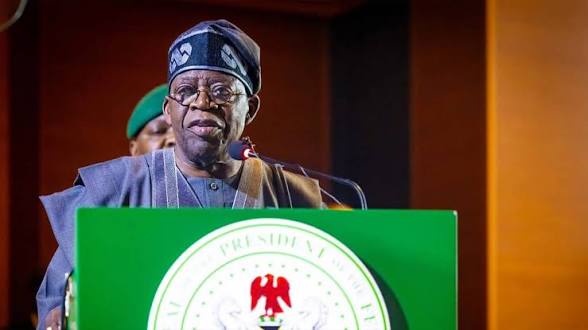
President Tinubu has publicly acknowledged the Supreme Court’s directive and urged state governors to comply, warning that he may resort to an Executive Order to guarantee direct FAAC (Federation Account Allocation Committee) disbursements to local governments if states fail to act. “The Supreme Court has capped it for you again, saying, ‘give them their money directly.’ If you wait for my Executive Order…I will cut it,” he said in a recent National Executive Committee (NEC) meeting of the ruling All Progressives Congress (APC).
That statement reflects the persistent tension between the judicial mandate and practical implementation across Nigeria’s federal system, even as various political actors and civil society groups continue to press for swift enforcement of the 2024 ruling.
The original Supreme Court judgment delivered on July 11, 2024, upheld financial autonomy for local government councils, directing that allocations from the Federation Account be paid directly to them without intermediary handling by state governments.
Despite its clear wording and national significance, implementation has been slow and uneven prompting renewed calls from political leaders like Atiku and others, including lawmakers and interest groups for the executive branch to ensure compliance without political delay.