The Nigerian Civil Aviation Authority (NCAA) has rejected claims that multiple government taxes are responsible for the recent spike in domestic airfares, insisting that airlines do not pay the levies being alleged and that the price surge is driven mainly by market forces.
In a statement issued on Sunday, the Director of Public Affairs and Consumer Protection, Michael Achimugu, described repeated assertions that airlines pay as many as 18 different taxes as false. According to him, no domestic airline is subjected to such charges.
Achimugu explained that the unusually high fares recorded in December are the result of increased demand during the festive season, stressing that there have been no recent increases in taxes or aviation fuel prices to justify the sharp rise.
He noted that the NCAA does not regulate ticket prices but had previously summoned domestic airlines to clarify the tax claims. He said the airlines admitted they do not pay the volume of taxes often cited publicly.
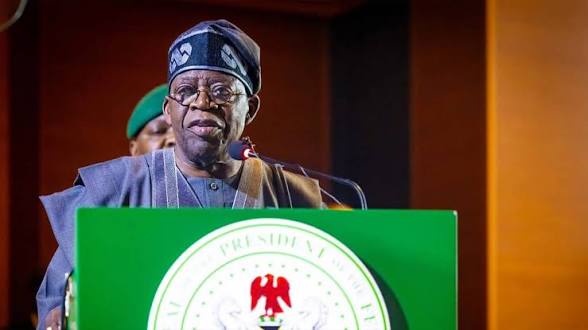
The NCAA spokesman expressed concern that the Federal Government continues to be blamed despite the support provided to local airlines by President Bola Tinubu, Aviation Minister Festus Keyamo, and the Director General of Civil Aviation, Capt. Chris Najomo.
His remarks followed comments by Air Peace Chairman, Allen Onyema, who stated in a recent interview that airlines lose money on certain routes, particularly in the South-East, where return flights often operate with few passengers. Onyema argued that a significant portion of ticket revenue goes to levies, taxes, and other charges rather than the airlines.
Responding, Achimugu questioned the inconsistency in claims that Nigeria has some of the lowest domestic airfares globally while simultaneously justifying extremely high ticket prices during December. He pointed out that fares reached as high as ₦500,000 for short flights despite no increase in taxes or fuel costs.
He concluded that the surge in airfares is limited to high-demand routes during the festive season and reflects broader economic realities.
“December price increases affect everything—transport, accommodation, and food. It is driven by demand and supply. This is not a government issue,” he said.