President Bola Ahmed Tinubu has reaffirmed that Nigeria’s much-anticipated tax reform laws will take effect on January 1, 2026, insisting there will be “no going back” on the commencement date despite growing debates and calls for postponement over alleged discrepancies in the legislation.
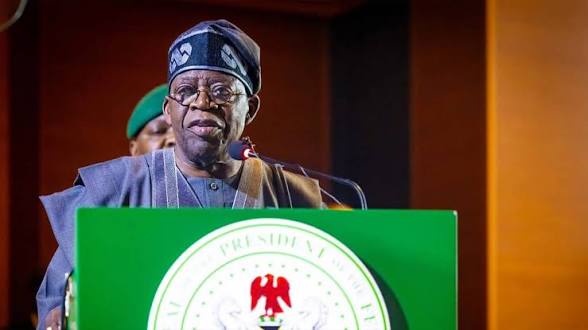
In a statement personally signed by the president on Tuesday, Tinubu said the new tax framework, including laws enacted on June 26, 2025, and those scheduled to begin next year will be implemented in full and on time. He described the reforms as “a once-in-a-generation opportunity to build a fair, competitive, and robust fiscal foundation for the country.”
Tinubu clarified that the reforms are not aimed at increasing taxes across the board, but rather at resetting Nigeria’s tax landscape to promote efficiency, fairness, and greater compliance. According to the president, the measures are designed to harmonise tax administration, protect dignity, and strengthen the social contract between government and citizens.
He urged stakeholders and Nigerians to support the implementation phase, stressing that it is now “firmly in the delivery stage.” The statement stressed that no significant issue identified so far justifies derailing the reform process, noting:
“Absolute trust is built over time through making the right decisions, not through premature, reactive measures.”
Tinubu also pledged continued collaboration with the National Assembly to resolve any outstanding concerns quickly and in the national interest.
The government has repeatedly defended the reforms as “pro-people”, aimed at reducing the tax burden for most Nigerians while broadening the base in a fair and equitable manner. In a high-level meeting with the president on December 26, Taiwo Oyedele, Chairman of the Presidential Committee on Fiscal Policy and Tax Reforms, reiterated that nearly 98 per cent of Nigerian workers and 97 per cent of small businesses will either be fully exempt from taxes or see their liabilities significantly reduced.
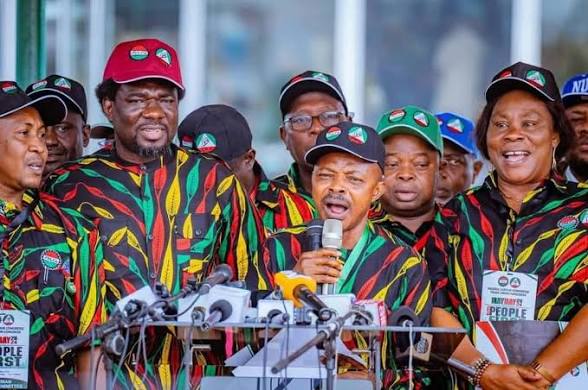
Despite official assurances, the planned commencement date has become a flashpoint for controversy and mobilised opposition across various sectors, like; Lawmakers, and Civil society organisations.
Former Vice-President Atiku Abubakar and legal experts have also criticised the process, asserting that the gazetted version of the tax acts may not legally reflect what the legislature approved, potentially rendering them invalid. He described the situation as a “grave constitutional issue” and called for fresh legislative action.
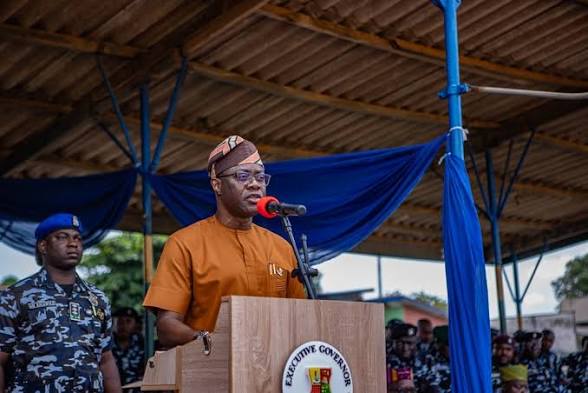
Government officials, including Oyedele, have maintained that there will be no delay in the implementation of the tax reform laws and that the structural changes are necessary to modernise Nigeria’s fiscal system and support economic growth.
For now, despite lingering public debate and legal questions, the administration’s position remains firm: Nigeria’s new tax regime will take effect on January 1, 2026, as planned, and preparations are continuing to ensure a smooth rollout.