The Socio-Economic Rights and Accountability Project (SERAP) has formally instituted legal action against Nigeria’s state governors and the Minister of the Federal Capital Territory (FCT), Mr. Nyesom Wike, alleging that they have failed to account for billions of naira allocated as “security votes”, public funds meant to safeguard the lives and property of citizens, since May 29, 2023.
The lawsuit was filed last Friday at the Federal High Court in Abuja under suit number FHC/ABJ/CS/95/2026, marking a significant escalation in public pressure on political leadership to demonstrate transparency in the management of state and federal resources.
According to the suit, the governors and the FCT minister have not provided credible explanations or public documentation showing how security votes, budgetary allocations that reportedly exceed ₦400 billion annually nationwide, have been expended to actually improve security or protect citizens, despite persistent insecurity across many states and in the FCT.
“Nigerians ought to know in what manner public funds, including security votes meant to ensure the security of life and property of Nigerians, are spent by the governors and FCT minister,” the lawsuit states, as read during its filing.
SERAP’s legal team is seeking a court order to, “Compel the governors and Mr. Wike to publicly disclose details of security vote allocations and expenditures since May 29, 2023.”
“Provide comprehensive reports on how the funds were allocated, spent and any ongoing or completed projects connected to the expenditures. Explain plans, if any, to strengthen security infrastructure in their respective states and the FCT.”
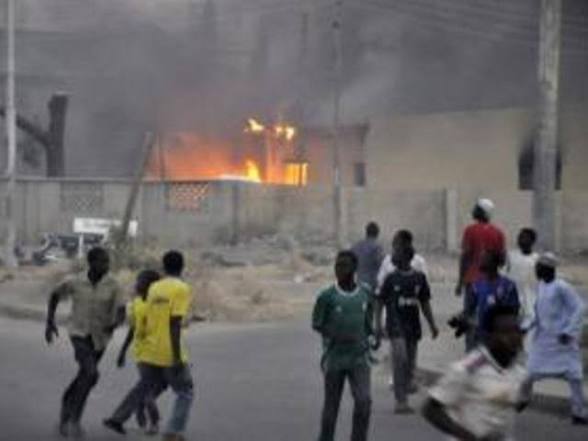
In the court document, SERAP argues that the continued escalation of insecurity, including widespread reports of violence such as recent killings in Benue State and elsewhere, underscores the urgency of transparent accountability.
“The escalating insecurity in several states and the FCT is taking a devastating toll on socially and economically vulnerable Nigerians, driving up extreme poverty, intensifying hunger and leading to other grave human rights violations,” the group asserts in the suit.
The organisation further claims that “there is a significant risk of embezzlement, misappropriation or diversion of public funds collected by the states and FCT as security votes” if transparency remains lacking.
SERAP’s filing further highlights concerns that the historic lack of oversight and accountability around security vote spending has limited citizens’ ability to hold public officials responsible for their constitutionally mandated role to protect lives and property.
The lawsuit contends that treating security votes as opaque disbursements, often without public documentation or detailed reporting, violates democratic and constitutional principles. SERAP described the failure to disclose how public funds are used as a “grave violation of the public trust and the provisions of the Nigerian Constitution, national anti-corruption laws, and the country’s international human rights and anticorruption obligations.”
“We contend that while certain operational matters may legitimately remain confidential for bona fide national-security reasons, there is no legal basis to withhold fundamental information on public spending from the people,” the suit adds.
SERAP emphasised that this case is not an isolated demand for accountability, it follows previous legal actions and advocacy aimed at ensuring transparency in public financial management across different sectors of government.
As of now, no hearing date has been fixed by the Federal High Court for the matter. The case is expected to add a legal dimension to ongoing public and civil society demands for clarity over how state and federal officials exercise responsibility over resources meant to secure citizens’ safety and well-being.