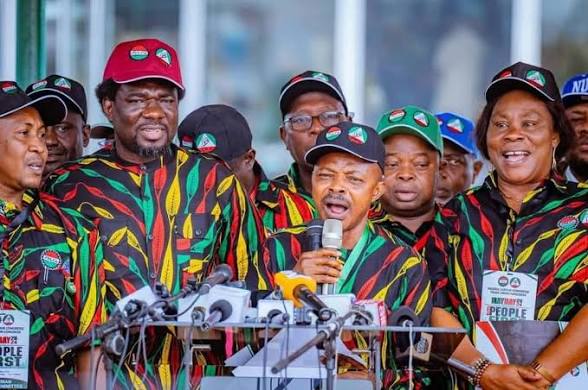
A fresh crisis has emerged within the opposition coalition after the presidential primary of the African Democratic Congress (ADC), with questions being raised about the transparency and competitiveness of the exercise.
Former Vice President Atiku Abubakar won the party’s presidential ticket with 1,846,370 votes, defeating former Rotimi Amaechi, who polled 504,117 votes, and businessman Mohammed Hayatu-Deen, who secured 177,120 votes.
Despite the decisive margin, the outcome has sparked controversy. Amaechi rejected the results, describing them as “concocted,” while Hayatu-Deen reportedly boycotted the final declaration, alleging irregularities during the process.
Critics within the coalition argue that although the primary was officially open, Atiku’s political dominance and extensive nationwide structure may have tilted the contest in his favour long before voting began. Allegations of manipulation, exclusion, and predetermined outcomes have since fueled tensions within the party.
The controversy has placed the ADC in an uncomfortable position, as the same accusations often directed at the ruling All Progressives Congress (APC) are now being raised against the opposition coalition itself.
In an effort to calm tensions, Atiku met with Amaechi in Abuja alongside key coalition figures, including Aminu Tambuwal and Ralph Nwosu. The meeting focused on unity and preparations for the 2027 general election.
Party leaders have dismissed claims of a major division, insisting that the ADC remains united. However, political observers say the dispute highlights deeper concerns about trust, influence, and power-sharing within the coalition.
While the ADC’s ability to unite prominent opposition figures remains a major strength, analysts warn that managing competing ambitions within the party could prove as challenging as taking on the APC in the 2027 elections.