As political activities ahead of the 2027 presidential election intensify, major political parties and opposition blocs are weighing possible vice-presidential combinations amid growing uncertainty over coalition talks and voter expectations.
Political analysts say the traditional formula of selecting running mates based on regional, ethnic and religious considerations is increasingly being challenged by concerns over competence, governance capacity and economic management.
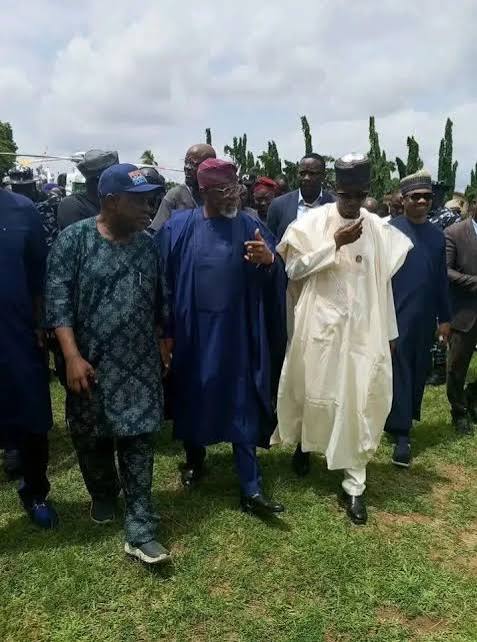
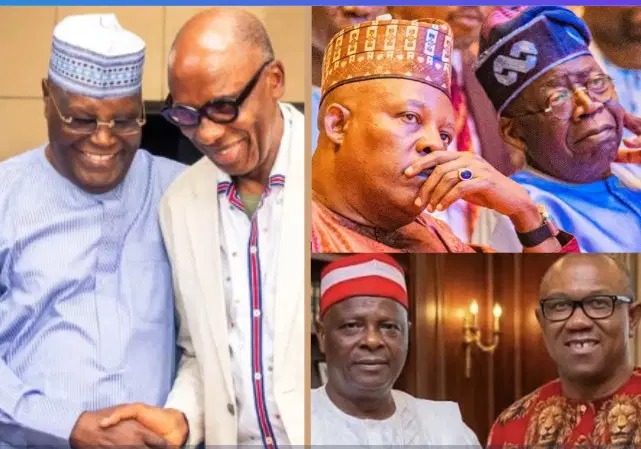
The opposition, which had earlier pledged unity through the Ibadan Declaration, is now grappling with internal divisions as several leading figures pursue separate presidential ambitions. Former Vice President Atiku Abubakar, Peter Obi, Rabiu Musa Kwankwaso and Rotimi Amaechi are all viewed as influential figures shaping the opposition landscape.
Analysts suggest that potential tickets such as Atiku-Amaechi, Obi-Kwankwaso, and a possible return of Goodluck Jonathan alongside Sule Lamido continue to generate debate within political circles.
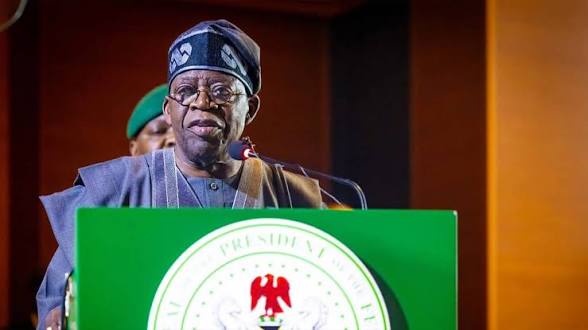
Within the ruling All Progressives Congress, discussions remain focused on whether President Bola Ahmed Tinubu will retain Vice President Kashim Shettima as his running mate. Supporters argue that the partnership offers continuity and political stability, while critics maintain that economic hardship could weaken the administration’s electoral appeal.
Political strategists note that worsening inflation, unemployment, insecurity and rising living costs are pushing many voters to focus more on governance performance than traditional identity politics.
Despite growing public dissatisfaction over economic conditions, observers believe the APC still enjoys significant advantages, including control of most state governments, strong political structures and nationwide networks.
As parties continue consultations and alliance talks, analysts say the major question heading into 2027 is whether competence and governance credentials can outweigh political structures, regional calculations and established party machinery.
With less than a year before the election, the battle for both presidential and vice-presidential tickets is expected to intensify, setting the stage for one of Nigeria’s most closely watched political contests.