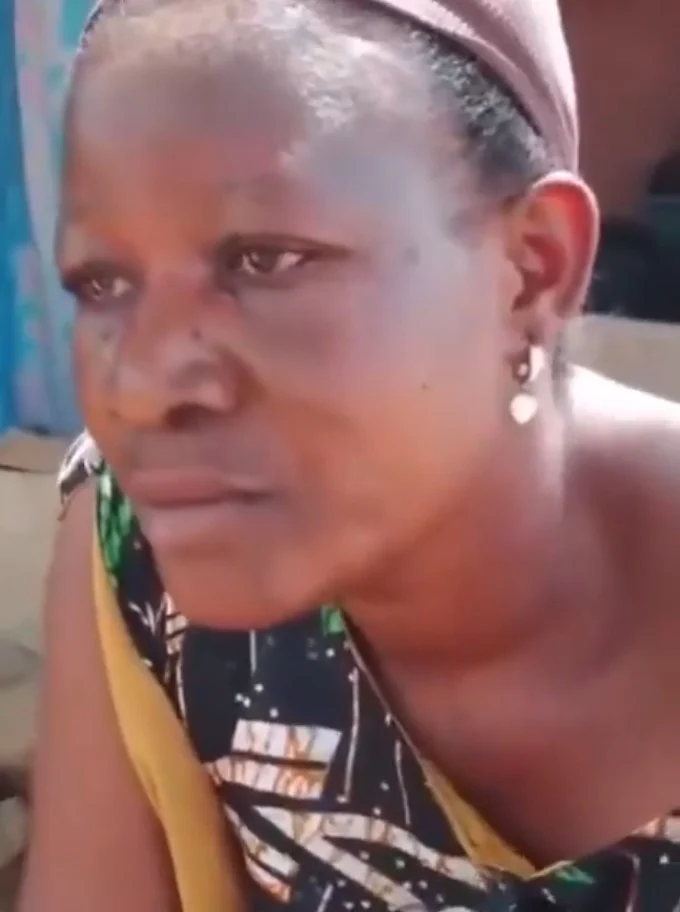
A Nigerian female soldier, Private Ruth Ogunleye, has come forward with grave allegations against senior military officers, accusing them of sexual harassment, physical brutality, and threats to her life. The allegations have ignited widespread concern over conduct within the Armed Forces and the treatment of women in the military.
Ogunleye, who was discharged from service on medical grounds in June 2024, publicized her ordeal via social media, specifically on her TikTok page, @Ogunleyeruthsavage1. She accused Colonel I.B. Abdulkareem, Colonel G.S. Ogor, and Brigadier General I.B. Solebo of making “her life unbearable,” with allegations including “repeated attempts to assault her, administering injections against her will, forcibly removing her from her residence, and confining her to a psychiatric hospital for several months after she rejected his sexual advances”.
Following her claims, the Chief of Army Staff, Lieutenant General Taoreed Lagbaja, ordered an immediate investigation. “Upon receipt of her initial complaint, which included allegations of sexual harassment, the Nigerian Army took immediate action. The matter was referred to the Nigerian Army Corps of Military Police, who were tasked with conducting a thorough investigation into the veracity of her claims. The investigation was conducted in accordance with established protocols, with every effort made to ensure a fair and impartial process,” a spokesperson stated.
However, the outcome of the internal probe led to Ruth Ogunleye’s discharge on medical grounds, rather than disciplinary actions against the accused officers. Army officials maintained, “While the Army was addressing the allegations of sexual harassment, further concerns regarding Ruth Ogunleye’s conduct came to light. Her behaviour, both online and offline, raised questions about her deteriorating mental health and emotional stability. In light of this, the Army, though fully capable of proceeding with disciplinary action for her acts of indiscipline and misconduct, opted to exercise compassion and leniency.”
The Army emphasized that Ogunleye was provided the “best possible medical treatment before discharging her into civilian life.” However, critics and human rights groups have highlighted a pattern, noting that female personnel who report abuse often face discharge or institutionalization rather than justice.Ogunleye’s case is not isolated, with other female soldiers in Nigeria previously alleging similar experiences of assault, brutality, and forced psychological evaluation after refusing the advances of senior male colleagues. Human rights advocates argue this pattern undermines both morale and accountability within the Armed Forces.
Despite the military’s claims of a rigorous investigation, Ogunleye continues to reject their findings and has challenged the discharge decision. “They want to silence me because I spoke out. I have suffered abuse, intimidation, and threats just for wanting to serve my country with dignity,” she stated in a tearful message posted online.
The Nigerian Army has warned that it “will not tolerate the defamation of its officers and soldiers, particularly when it is based on falsehoods and driven by ulterior motives.” Yet, the ongoing public debate and advocacy from legal and women’s groups are pushing for more accountability, transparent investigations, and protections for whistleblowers within the ranks.