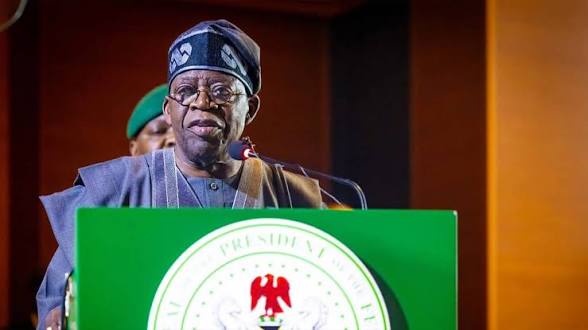
President Donald Trump’s recent statements have triggered an international diplomatic storm, as he accused Nigeria of “genocide” against its Christian population and threatened to stop all U.S. aid to Nigeria. Trump’s remarks—made during an appearance on Fox News’s The Kilme Show and amplified via his social media—signaled possible military intervention, a move that has sparked global concern from allies and human rights groups alike.
“I think Nigeria is a disgrace. The whole situation is a disgrace,” Trump said in a heated exchange. “They’re killing by the thousands. It’s genocide. I’m angry about it.” He added, “If the Nigerian government continues to allow the killing of Christians, the USA will immediately stop all aid and assistance to Nigeria. We’re going to do things to Nigeria that Nigeria is not going to be happy about and may very well go into that now disgraced country, guns ablazing, to completely wipe out [the terrorists].”
Trump’s comments came amid ongoing advocacy from U.S. lawmakers and religious leaders urging greater attention to violent attacks on Christian communities in Nigeria. The president has since instructed the Pentagon to prepare for “possible military action in Nigeria if deemed necessary,” according to official statements. Trump also tasked two Republican lawmakers—Representative Riley Moore of West Virginia and Representative Tom Cole of Oklahoma to investigate the killings, stating, “President Trump’s put everything on the table… What I’m hoping is we help them defeat these networks that are killing these Christians. But we need Nigeria to step up.”
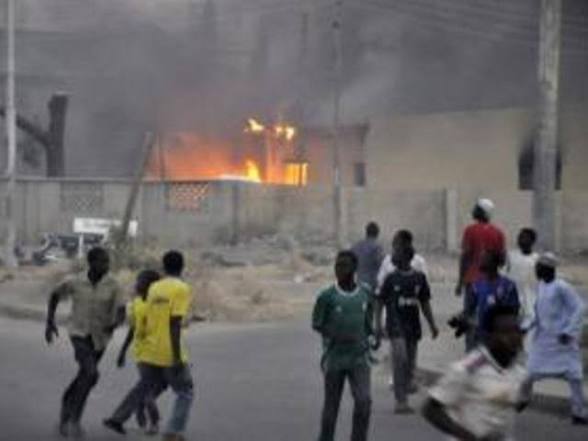
Security experts, however, caution that the situation in Nigeria is more complex than portrayed. Nigeria’s violence— which has claimed over 8,000 lives this year alone—affects both Christians and Muslims. In recent weeks, armed assailants kidnapped at least 52 students from a Catholic school in central Nigeria and, days before, abducted about 25 Muslim students from another school in the northwest. “The issue of kidnappings and terror attacks is prevalent in Nigeria, with over 8,000 fatalities reported this year. However, these incidents are not novel, and there is no substantial evidence indicating that Christians are targeted more frequently than Muslims,” reports The New York Times.
Within Nigeria, government officials have firmly rejected Trump’s characterization. The country’s national security adviser met with U.S. officials to protest the depiction and to emphasize ongoing efforts to combat extremism and protect all citizens. The African Union and ECOWAS also dismissed the genocide narrative, warning against the danger of oversimplification and the diplomatic fallout such rhetoric could unleash.
Observers noted that while attacks by jihadist groups, “bandits,” and ethnic militias remain a dire challenge, victims span the nation’s religious and ethnic spectrum. Inter-communal violence, particularly in the Middle Belt, often stems from complex disputes over resources and land, not solely religious hatred. “Arrests and prosecutions are rare, and government and security officials seldom face accountability for their failures in maintaining safety,” explained a local source.
Despite the international pressure, the Nigerian government reiterated its rejection of Trump’s allegations. A spokesperson stated, “There is no genocide in northern Nigeria,” reflecting the position of the African Union and various local analysts, who argue that both Christians and Muslims suffer equally from insecurity.
This episode marks another flashpoint in Trump’s foreign policy toward Africa, reminiscent of his past, often controversial, interventions on alleged “white genocide” in South Africa. The U.S. State Department’s designation of Nigeria as a Country of Particular Concern for religious freedom violations continues to stoke debate over the best path forward to protect civilians without escalating tensions or perpetuating stereotypes.