Guinea-Bissau’s military has toppled the country’s democratically elected government, detaining President Umaro Sissoco Embaló and several top officials just days after a hotly contested election.
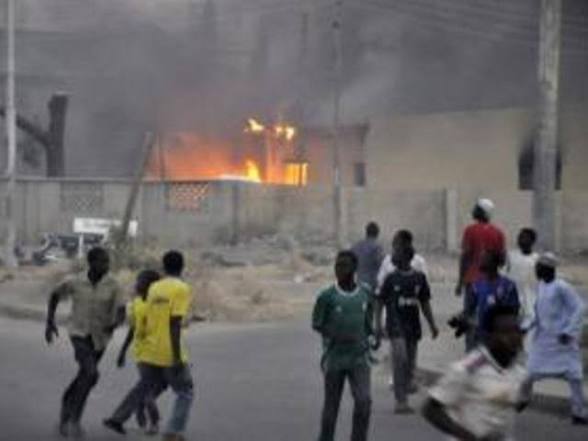
Eyewitness accounts reported gunfire near the presidential palace and National Electoral Commission in Bissau on November 26th, 2025, as armed forces moved quickly to seize control amid uncertainty over official election results and rival claims to the presidency.
President Embaló confirmed to local and international media that he was arrested without force in his office around 1:00 p.m. GMT, describing the episode bluntly as a “coup d’état” led by the army’s chief of staff.
“This is a direct attack on our democracy. I was taken by soldiers, but I remain committed to the constitutional process,” Embaló said in his remarks to Jeune Afrique. Several cabinet members, including armed forces chief of staff General Biaguê Na Ntan, his deputy General Mamadou Touré, and interior minister Botché Candé, were also detained during the dramatic power shift.
The coup comes on the heels of Guinea-Bissau’s November 23 general elections, the outcome of which remained hotly disputed. Both Embaló and opposition leader Fernando Dias da Costa claimed victory, turning political tensions into nationwide uncertainty.
One government official told the BBC, “I was at home near the presidential palace when we started hearing gunfire. No one knew what was happening and people ran for shelter.”
Analysts warn that Guinea-Bissau, with a history of repeated coups since independence from Portugal, now faces renewed threats to its fragile democratic institutions. The country’s recent political crisis followed opposition accusations of electoral manipulation and legal challenges to Embaló’s continued rule. “This is a grievous setback for Guinea-Bissau’s democracy and stability,” said an official from the Economic Community of West African States (ECOWAS), a regional bloc that had tried to mediate disputes before the coup.
As citizens wait for further developments amidst an ongoing military presence, the coup highlights both the volatility of Guinea-Bissau’s politics and the urgent need for regional and international engagement to restore constitutional order.