Legal experts and civil society actors have raised alarm over the overwhelming lack of access to justice in Nigeria, stressing that urgent reforms and stronger collaborations are needed to bridge the gap.
The concerns were expressed at the PILNet Africa Regional Convening on Public Interest Litigation, where Spaces for Change (S4C) hosted a special session to spotlight systemic barriers preventing citizens from securing justice.
In a statement, Victoria Ibezim-Ohaeri, Executive Director of S4C, explained that many of the organisation’s pro bono legal interventions were outcomes of extensive fieldwork and community-driven research. She cited her doctoral study on SARS operations in Anambra, which later informed several successful EndSARS judicial panel compensations for victims.
She added that S4C frequently works with research-oriented partners to document human rights violations across Nigeria, linking advocacy with rights-based development approaches.
During a panel discussion, Prof. Adebisi Arewa of the Nigerian Institute of Advanced Legal Studies described justice as the “most fundamental human right,” lamenting that the overwhelming majority of Nigerians remain shut out of the justice system.
“Almost the entire population lacks true access to justice,” he observed, stressing that strategic litigation plays a critical role in exposing institutional weaknesses and giving marginalised groups a lifeline.
Former NBA Chairman, Alex Morka, advocated for the institutionalisation of pro bono services nationwide, suggesting that the NBA consider making such representation mandatory. He commended judges who already assign senior lawyers to defend indigent citizens facing capital charges.
Representing the National Human Rights Commission (NHRC), Dr. Lucas Koyejo drew attention to human rights violations in Lagos, revealing that the NHRC office serving over 20 million people operates with only 12 lawyers.
“Every day, we handle countless complaints — from individuals and through partners like S4C — but our resources are grossly overstretched,” he admitted.
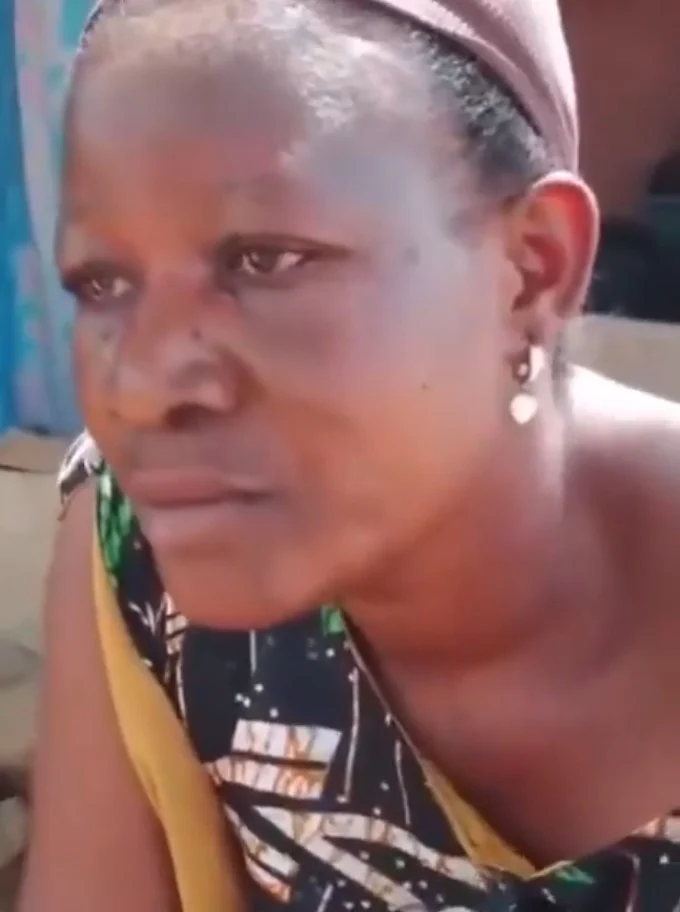
The convening also featured moving testimonies from victims of forced evictions, police brutality, and other abuses who had directly benefited from legal interventions by S4C and allied groups.
Speakers concluded that strengthening public interest litigation remains vital not only to safeguard human dignity but also to drive meaningful reforms in Nigeria’s justice system.