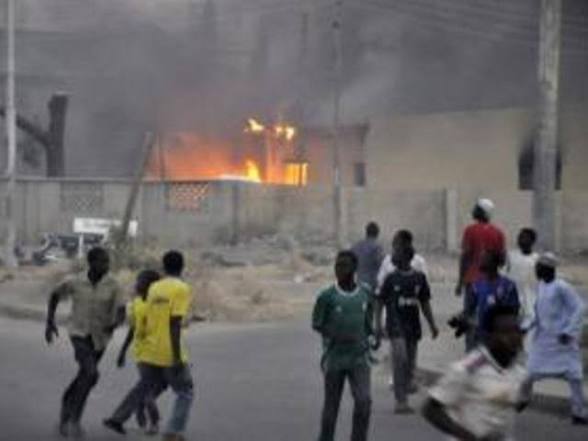
Confusion has engulfed parts of the South-East following plans for a nationwide protest demanding the release of detained Indigenous People of Biafra (IPOB) leader, Nnamdi Kanu, as security agencies heighten vigilance across the country.
The Nigerian Correctional Service (NCoS) has declared all correctional centres “red zones”, barring public access during the demonstrations. In a statement issued in Abuja, NCoS Public Relations Officer, Abubakar Umar, reaffirmed that correctional facilities remain restricted government areas and cautioned against any form of intrusion.
“Anyone without official business should stay off the facilities to avoid any untoward incident or security breach,” Umar said, urging citizens to cooperate with security personnel to ensure peace and safety.
Similarly, the Federal Capital Territory (FCT) Command of the Nigeria Security and Civil Defence Corps (NSCDC) warned against acts of vandalism or destruction of public infrastructure during the protests.
FCT Commandant Olusola Odumosu disclosed that officers had been deployed across strategic points in the capital to secure Critical National Assets and Infrastructure (CNAI).
“The Corps will not tolerate vandalism or theft of public and private facilities under any guise,” Odumosu stated, urging protesters to comply with court directives regulating public demonstrations.
Although the planned protest—reportedly led by Omoyele Sowore’s #RevolutionNow movement—is centred in Abuja, uncertainty has spread across South-East states. Some schools have asked students to remain home, while businesses have partially closed over fears of possible unrest.
The Anambra State Police Command said it had conducted a security assessment following intelligence reports of planned demonstrations.
Police spokesperson Tochukwu Ikenga said the assessment showed that residents were favouring peaceful engagement over confrontation.
“Our findings reveal that citizens prefer dialogue and lawful channels rather than disruptive protests or illegal sit-at-home orders,” Ikenga said.
Authorities have reiterated that while Nigerians have a constitutional right to peaceful assembly and protest, such rights must be exercised responsibly, in line with existing laws and judicial pronouncements.
Legal Perspective
Under Section 40 of the 1999 Constitution (as amended), Nigerians are guaranteed the right to assemble freely and associate for lawful purposes, including peaceful protest. However, this right is not absolute. Security agencies are empowered under Sections 214–217 of the Constitution and the Public Order Act (Cap P42 LFN 2004) to regulate assemblies in the interest of public safety and order.
Legal analysts have emphasised that both the state and protesters must act within the law — balancing the right to dissent with the duty to maintain peace. The courts have repeatedly held that while citizens may demonstrate peacefully, any act leading to violence, destruction, or obstruction of public institutions constitutes a breach of law.
In the current scenario, legal experts say that transparency, communication, and restraint from both sides remain critical to upholding democratic values without compromising national security.