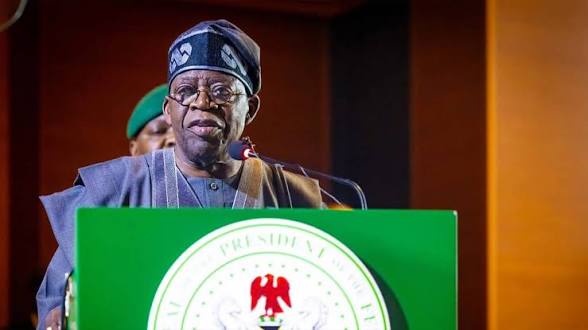
President Bola Tinubu is on the verge of finalizing and announcing the appointment of new ambassadors to Nigeria’s foreign missions worldwide, marking an end to months of diplomatic absence and limited representation abroad. This move comes amidst growing diplomatic pressure and heightened tensions with the United States, particularly following former President Donald Trump’s recent military threat related to religious violence in Nigeria.
According to senior officials familiar with the development, Tinubu has authorized security services to rapidly complete the vetting of ambassadorial nominees, with appointments expected as early as next week. This appointment spree represents the culmination of a comprehensive overhaul that began in September 2023 when President Tinubu recalled all ambassadors from Nigeria’s 109 foreign missions—including 76 embassies, 22 high commissions, and 11 consulates—as part of a sweeping diplomatic restructuring.
Since the recall, most Nigerian embassies have been managed by chargés d’affaires, a situation criticized by career diplomats who argue that the lack of ambassador-level representation has weakened Nigeria’s influence internationally, especially in high-stakes negotiations.
“Most foreign governments do not give the same regard to chargés d’affaires as they do to ambassadors,” said a senior Foreign Service source. At a time like this, with many diplomatic demands, it is crucial that ambassadors be appointed,” the source said.
The urgency in filling these posts grew after Donald Trump’s stark warning: “If the Nigerian Government continues to allow the killing of Christians, the U.S.A. will immediately stop all aid and assistance to Nigeria, and may very well go into that disgraced country, ‘guns-a-blazing,’ to wipe out the Islamic terrorists committing these atrocities.”
While insiders acknowledge the absence of ambassadors was not the direct cause of the diplomatic strain with Washington, their presence could have facilitated smoother communication during the crisis. One official noted, “Foreign partners prefer to engage at the ambassadorial level, especially in moments of crisis or negotiation.”
The appointment list is currently undergoing a final “cleanup” to ensure it reflects only eligible and available candidates, as some nominees have since passed away, retired, or are otherwise disqualified. Security and background clearances were reportedly completed months ago. The Foreign Affairs Minister, Yusuf Tuggar, is also scheduled to meet with the President at the State House to discuss the finalization of the selections.
President Tinubu had earlier expressed the complexity of balancing political and professional interests in the ambassadorial appointments. “It’s not easy stitching those names,” he remarked during a meeting with members of The Buhari Organisation in September 2025.
“I couldn’t appoint everybody at once. I still have some slots for ambassadorial positions that so many people are craving for.”
This diplomatic renewal seeks not only to restore Nigeria’s robust international presence but also to counter narratives fueling tension, such as allegations of Christian genocide, which domestic groups like the National Civil Society Council of Nigeria (NCSCN) have urged the government to address professionally and with verified data. The council has also called on President Tinubu to submit ambassadorial nominees to the Senate for confirmation by November’s end, emphasizing that prolonged delays are damaging Nigeria’s foreign relations.
The presidency is expected to make an official statement soon once the appointments are finalized publicly, signaling a critical step toward stabilizing Nigeria’s diplomatic engagements amid a challenging international landscape.