In a historic and deeply contentious verdict, Bangladesh’s International Crimes Tribunal on Monday sentenced former prime minister Sheikh Hasina to death after finding her guilty of crimes against humanity committed during last year’s student-led agitation that ultimately toppled her Awami League government.
The three-member tribunal also pronounced judgment on two of Hasina’s top aides, former home minister Asaduzzaman Khan Kamal and ex-police chief Chowdhury Abdullah Al-Mamun, who faced similar charges. While Al-Mamun was spared the death penalty after agreeing to become a state witness, Hasina was “found guilty on three counts”—including ordering the killing of protesters and failing to prevent further punitive violence, according to tribunal judge Golam Mortuza Mozumder.
“We have decided to inflict her with only one sentence—that is, sentence of death,” Mozumder told the packed courtroom in Dhaka as the decision was broadcast live on national television. The tribunal cited recordings of Hasina’s conversations allegedly instructing the use of lethal weapons and aerial attacks against demonstrators, evidence described as genuine after forensic review.
The chief judge recounted Hasina’s conversations with Dhaka University officials, stating, “On the night following 14th July 2024, Hasina spoke to university vice-chancellor and said, ‘I have hanged Razakars, they [protesters] will also be hanged. None of them will be spared,’ adding, ‘I am ordering their arrest and action.’”
The tribunal further observed that Hasina’s remarks, including referring to student protesters as “Razakar,” amplified public anger and contributed to the violence.
According to reports, Hasina and her allies jointly orchestrated the deadly crackdown that left hundreds dead and thousands injured amid weeks of unrest. The United Nations, in a February report, estimated up to 1,400 fatalities, while interim government officials suggested over 800 deaths and 14,000 wounded. Both Hasina and Khan are being tried in absentia, having fled Bangladesh; Hasina remains in India as Dhaka now seeks her extradition.
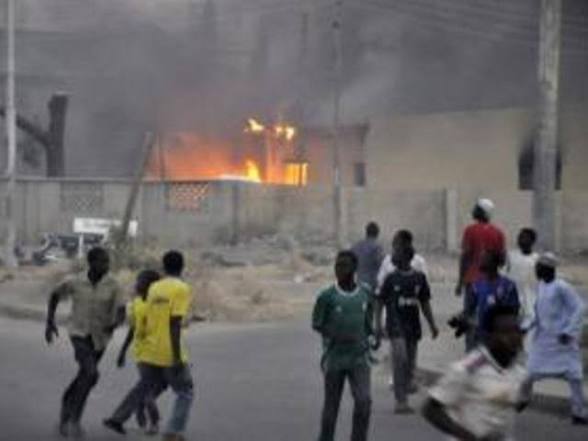
Security forces were placed on high alert nationwide before Monday’s verdict, with paramilitary units and police deployed throughout Dhaka and other cities. Nearly 50 arson attacks targeting vehicles and a series of crude bomb explosions have been reported in recent days, raising fears of renewed violence. The city’s police chief, Sheikh Mohammad Sazzat Ali, announced a “shoot-on-sight” policy for anyone attempting arson or bombings.
Hasina’s Awami League denounced the process as a “kangaroo court.” In an audio message broadcast online, Hasina herself urged supporters not to be “nervous” about the ruling. Hasina, who was ousted last August, has survived at least 19 assassination attempts in her enduring political career. Nobel Laureate Muhammad Yunus took charge as interim leader after her removal, pledging to exclude Awami League from the upcoming national elections and bringing charges against party leaders.“Dhaka’s politics under Yunus has remained at a crossroads with limited signs of stability,” reported local media, as Bangladesh awaited further developments in the nation’s political crisis.