A fresh wave of national concern has followed the abduction of students and teachers from St. Mary’s Papiri Private Catholic Secondary School, Agwara LGA, Niger State—an incident that has revived debates about the constitutional obligations of the Nigerian government to safeguard education.
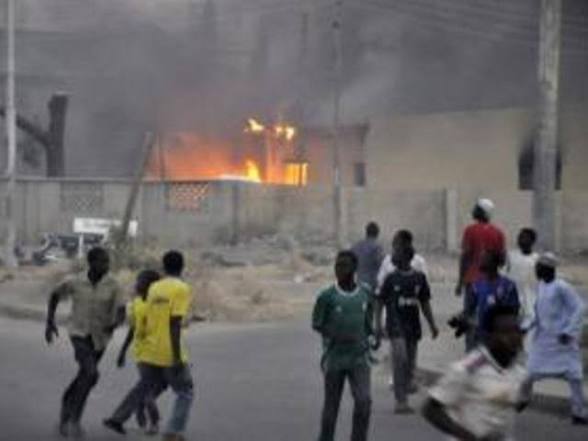
Authorities in Niger State confirmed that armed groups raided the school in the early hours of Friday, carrying out what officials described as a coordinated assault that lasted nearly an hour. While local reports differ on the exact number of victims, figures provided to local media estimate that over 100 persons—including pupils, students, and teachers—were taken. The Christian Association of Nigeria (CAN) placed the number significantly higher, alleging that 215 students and pupils, along with 12 teachers, were abducted.
A security guard on duty reportedly sustained serious injuries during the incident, heightening concerns about the deteriorating safety of educational institutions in rural areas.
UN Envoy Condemns Attack, Questions Legality of School Closures
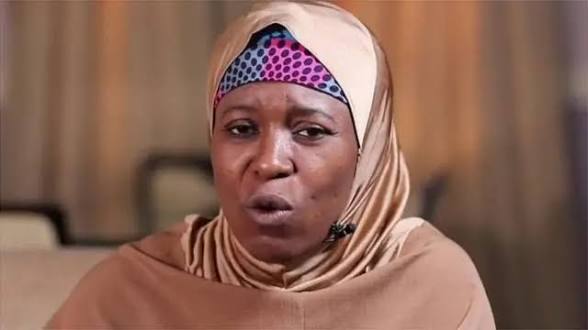
Reacting to the incident, Prof. Joy Ngozi Ezeilo (SAN)—United Nations Special Envoy to Sudan and Executive Director of Women Aid Collective (WACOL)—issued a strongly worded statement criticizing both the attack and what she termed the counterproductive response of government authorities.
According to the Senior Advocate of Nigeria, Nigerians are “deeply wounded” by the pattern of school assaults and the “unhelpful” posture of state actors who attribute blame to schools for resuming academic activities.
Ezeilo warned that the federal and state trend of shutting down schools in high-risk areas may inadvertently reinforce extremist agendas, especially those rooted in ideologies hostile to Western education, such as Boko Haram’s doctrine. She posed a series of constitutional questions:
Can school closures be considered a proportional or lawful response under Nigerian and international law?
At what point does the state’s inability to secure learning environments amount to a breach of its obligations under the Constitution and Child Rights Act?
Are authorities unintentionally empowering non-state actors by ceding educational spaces to fear?
Her intervention highlighted Nigeria’s binding duties under international conventions—including the Safe Schools Declaration, to which the country is a signatory.
Government Response and Legal Implications
The Niger State government acknowledged the incident but suggested that the school resumed operations without official clearance, citing prior intelligence about security risks. Legal analysts have argued that such statements raise serious questions about the scope of governmental responsibility:
Does prior knowledge of danger impose a heightened duty on the state to provide protection?
If the state was aware, could the failure to prevent the attack be framed as negligence under public law principles?
Meanwhile, security agencies, including police tactical teams and military units, have reportedly deployed search operations around Papiri’s forested areas.
A Recurring Pattern
The attack is the latest in a series of large-scale abductions targeting Nigerian students. Niger State has suffered several high-profile incidents, including the 2021 Kagara school abduction, where dozens were taken.
According to UNICEF findings referenced in prior studies, rural boarding schools face heightened vulnerability due to weak physical infrastructure and limited security architecture.
The broader national impact is alarming: between 2021 and 2024, hundreds of schools across the northern region were shut down, either temporarily or completely, due to persistent threats.
On Friday, federal authorities reportedly closed 41 Unity Colleges, reigniting debates on whether school shutdowns constitute a temporary necessity or a long-term violation of the right to education.
Looking Forward: A Constitutional Crisis in Slow Motion
Legal experts warn that Nigeria may be approaching a systemic failure point regarding its educational obligations. The repeated attacks, combined with official policies that retreat from educational spaces, could undermine Section 18 of the 1999 Constitution, which mandates the government to ensure equal and adequate educational opportunities at all levels.
Ezeilo concluded her statement with a call for urgent and lawful reforms:
“This moment demands decisive, rights-based intervention. Every child taken is a blow to our collective future.”