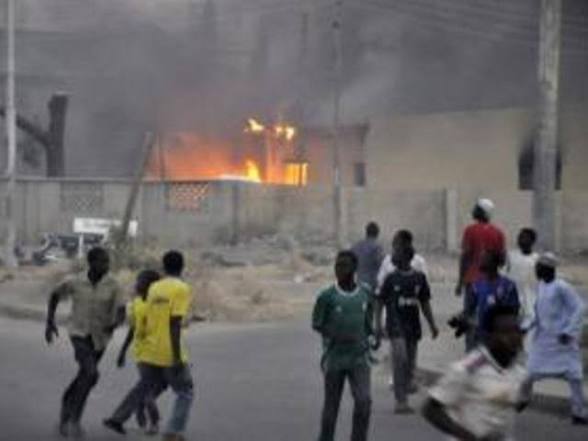
A wave of tragic explosions struck communities in Anambra and Oyo states over the weekend, resulting in at least four fatalities and widespread destruction of property, with six shops reportedly razed. The incidents have thrown local residents into mourning while rekindling calls for greater enforcement of safety measures for gas distribution and the handling of hazardous materials.
The first of the twin disasters unfolded Friday night in Ibadan’s Bioku-Alaadun area of Ona Ara Local Government, Oyo State, where a gas tanker exploded while discharging contents into a retail outlet. Witnesses recounted: “Tragedy struck when the gas tanker exploded as they were offloading. The flames spread so rapidly, trapping those near the shop at the time,” said a community resident, describing the ensuing chaos as people fled thick smoke and roaring flames.
Among the dead was the shop owner, who had been supervising the operation, as well as several passersby caught off guard by the sudden blast. Emergency responders from the Oyo State Fire Services Agency mobilized to the scene, struggling through narrow streets to contain the inferno and prevent its spread to nearby homes. General Manager of the Agency, Yemi Akinyinka, confirmed the devastation stating, “Our men are on ground. They are still working. Yes, the incident happened while gas was being discharged. There are casualties, but full details are still being compiled.”
The explosion ignited anger in the community, with a local leader saying: “We heard a loud bang and everywhere shook. People ran, children were screaming. It’s a terrible night for us here.” As the official death toll remains under assessment, families and neighbors are left retrieving remains and mourning yet another avoidable tragedy.
Authorities say investigations have commenced to establish the cause, with renewed appeals for stricter enforcement of safety protocols and more exhaustive monitoring in Nigeria’s rapidly expanding gas retail sector. The incident, they warn, underscores persistent dangers linked to poor regulation and unchecked handling of combustible materials.
In Anambra State, a separate but equally distressing explosion tore through a busy shopping district, leaving additional casualties and destroying shops. Emergency teams and community volunteers worked through the night, battling flames and searching for survivors among the ruins.
As the twin tragedies reverberate across both states, grieving families and shop owners are confronted by devastating losses, with many now demanding urgent government intervention and reform. Both incidents cast a stark spotlight on Nigeria’s safety lapses, triggering widespread calls for accountability and robust reforms to reduce risks and save lives in future.