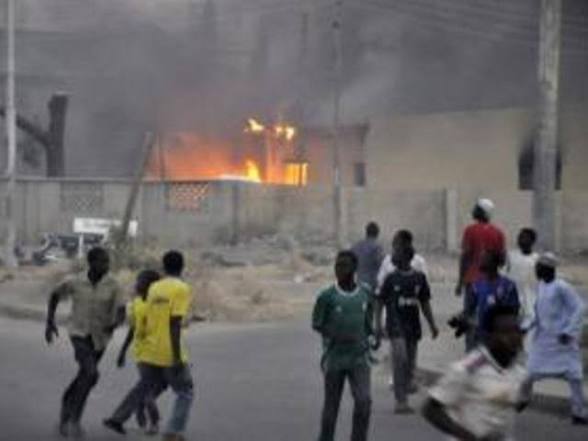
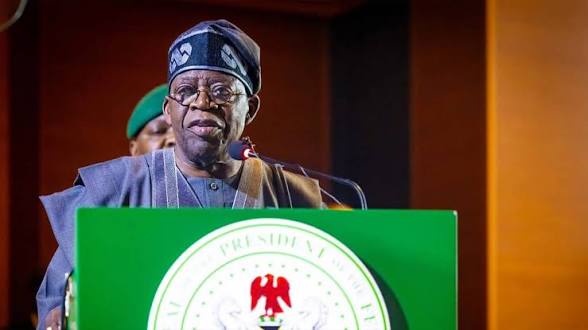
The debate over Nigeria’s human-rights record resurfaced sharply on Friday after United States President Donald Trump issued a strongly worded public rebuke, alleging that the Federal Government has failed to halt targeted killings within the country. The remarks—aired on Fox News Radio—have triggered diplomatic ripples and renewed scrutiny of Nigeria’s obligations under international law.
In the recorded statement, President Trump described the situation as “genocide,” accusing Nigerian authorities of inaction and warning that US financial support to Nigeria could be withdrawn if the violence persists. Although Trump did not reference specific incidents, his comments echoed earlier classifications by the US declaring Nigeria a “Country of Particular Concern” over alleged religious-motivated attacks.
According to the US president, Washington’s prior intervention was the catalyst for renewed global attention: “Until I got involved in it two weeks ago, nobody even talked about it,” he claimed, adding that continued inaction by the Nigerian government could provoke what he described as a “fast and strong response.”
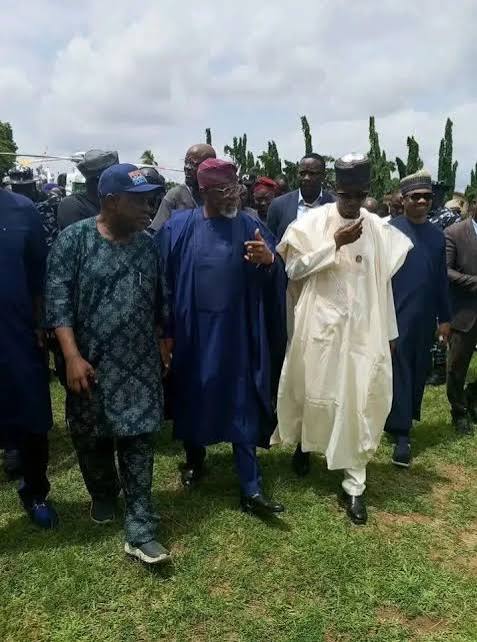
The Nigerian government has since dispatched a high-level delegation to Washington for consultations, signaling the seriousness with which it views the escalating rhetoric. The delegation—led by National Security Adviser Nuhu Ribadu—met with US Secretary of Defense Pete Hegseth at the Pentagon. Hegseth reportedly urged Nigeria to take “decisive and coordinated action” against attacks targeting vulnerable communities, particularly Christians.
US Congressman Riley Moore also held a closed-door meeting with the Nigerian team, describing the engagement as “frank, honest, and productive,” with discussions centered on counterterrorism collaboration and civilian protection obligations under international humanitarian law.
The Nigerian delegation included key legal and security officials: Minister of State for Foreign Affairs Bianca Ojukwu, Attorney General of the Federation Lateef Fagbemi (SAN), Inspector General of Police Kayode Egbetokun, Chief of Defence Staff General Olufemi Oluyede, and Chief of Defence Intelligence Lt. Gen. Emmanuel Undiendeye.
Trump’s latest remarks add to the intensifying diplomatic pressure on Abuja, raising important legal questions about state responsibility, protection of citizens, and compliance with international human-rights norms. Analysts note that while the US president’s language is politically charged, the concerns he raises may shape future bilateral relations, foreign aid decisions, and Nigeria’s global human-rights standing.