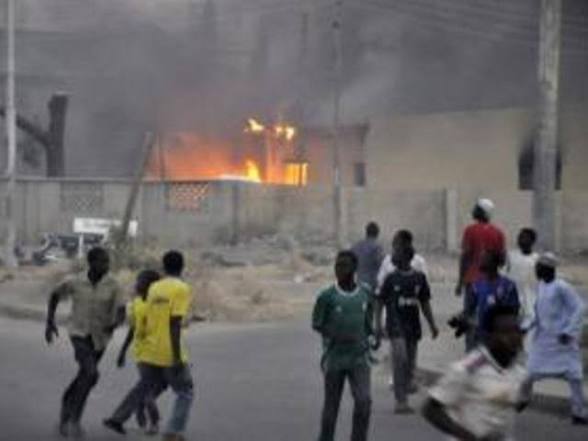
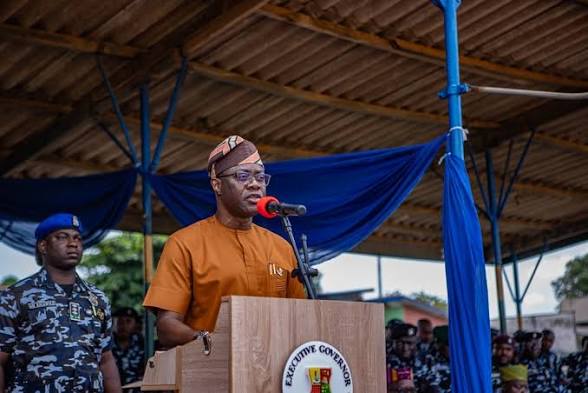
Suspected terrorists have issued a fresh threats to abduct top government officials, including President Bola Tinubu, several state governors, and other prominent figures. The threats surfaced amid ongoing concerns about the country’s rising insecurity, marked by an upsurge in kidnappings and armed attacks targeting both civilians and high-level public officials.
Recent intelligence reports and security briefings have revealed that armed groups, emboldened by perceived lapses in government response, now openly threaten to kidnap senior leaders. The Yoruba Union, in a statement issued by its Convener, Olusola Badero, strongly criticised the federal government’s approach, declaring, “If shutting down schools is now the government’s best strategy to prevent mass abductions, then it is obvious President Tinubu has lost the war against terrorism. Dialogue has failed repeatedly. Ransom payments have become routine. What this means is that Nigeria is no longer in control of its own security architecture—terrorists are.”
Insiders say that the terrorists have turned kidnapping into a booming, well-coordinated business enterprise, thriving amid weak enforcement and government indecision. The Union’s Home Director, Princess Balogun, lamented what she described as “paralysis and indecision” from the federal authorities. She added, “The government’s preference for negotiating with terrorists—rather than eliminating them—has emboldened armed groups, allowing them to collect ransoms, retain their weapons, and expand their operations with little resistance.”
Governor Mohammed Idris of Kebbi State also expressed outrage after the abduction of schoolgirls in his region, highlighting failures to act on credible intelligence. He stated, “This is clear sabotage. We received credible intelligence from the DSS that this school was likely to be attacked. The DSS further advised that we convene an emergency Security Council meeting, which we did. The decision was that we would provide round-the-clock protection for the students.” Despite these efforts, suspected bandits struck a boarding school in Maga, Kebbi State, killing a vice principal and kidnapping 25 female students, with only three managing to escape.
Security analysts warn that terrorists have already infiltrated farming communities across the Southwest and broader regions, leading to mass displacement and fear among citizens. The calls for urgent reform and decisive security interventions intensify, as government officials and community groups cite the alarming spread of coordinated threats and actual attacks on public institutions and individuals.
The situation underscores Nigeria’s pressing need for robust security strategies and transparent leadership to restore public confidence and prevent terrorists from dictating the country’s future.