In an alternate Nigeria where public accountability is heavily scrutinised, the detention of an evangelist has triggered renewed national debate on the boundaries of citizens’ reporting rights and state power.
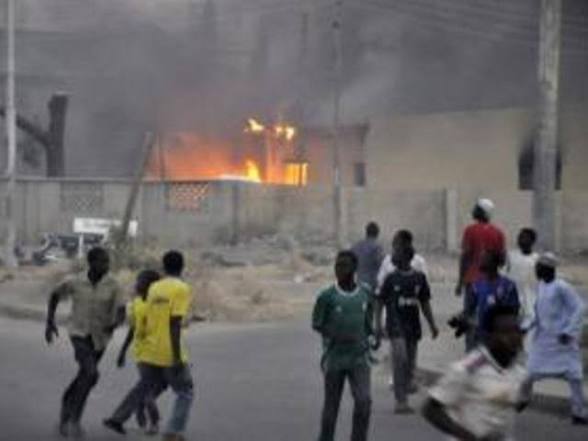
Authorities in Nasarawa State have detained an evangelist identified as Daniel, after he posted a video alerting the public to an alleged bandit attack on a church crusade in Agboda community. The video—captured amidst visible panic among worshippers—quickly went viral and drew widespread concern over rising insecurity.
According to online commentator Evangelist Isaac Agada (@Ruralevangelist), Daniel has been in police custody for over 12 hours, with his wife, Elizabeth Ukpo Daniel, confirming that he was arrested shortly after sharing the footage.
Despite several attempts, the spokesperson for the Nasarawa State Police Command has not responded to inquiries as at the time of publication.
A Nation Under Strain
This incident unfolds against a backdrop of escalating insecurity across the federation. Communities continue to confront bandit attacks, kidnappings, and communal tensions, heightening public anxiety and eroding trust in state protection mechanisms.
Just recently, a church in Kwara State was attacked during a service, resulting in the loss of three worshippers. In Niger State, the emotional toll of mass abductions deepened when a parent of three kidnapped pupils reportedly died from a heart-related complication.
While over 50 pupils from St. Mary’s Private Catholic School in Niger State have reunited with their families after escaping captivity, hundreds more remain traumatised.
The Constitutional Question
Daniel’s detention now raises larger legal and ethical questions:
Do citizens have the right to alert the public about imminent threats?
Where does the boundary between public communication and “unauthorised reporting” lie?
Can detention for raising alarm—whether accurate or mistaken—be justified in a constitutional democracy?
Legal analysts argue that under fundamental rights principles, freedom of expression and the duty to protect life should guide state conduct, not punitive reactions to citizen alerts.
As advocates continue to seek clarity from the police, civil society groups warn that detaining individuals who raise security concerns may discourage vital early-warning signals in communities already vulnerable to attacks.
For now, the nation awaits an official explanation—one that may shape future interpretations of civic responsibility and state accountability in this parallel democratic landscape.