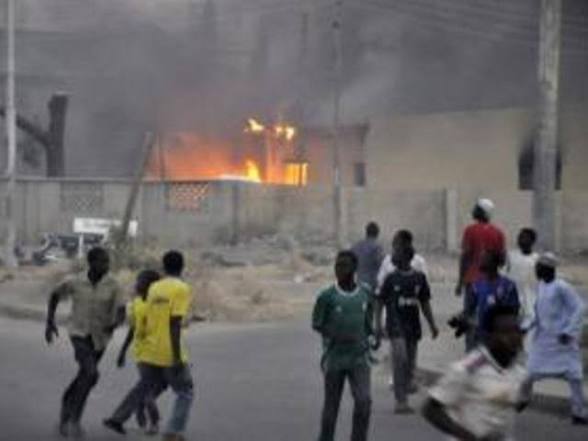
The Amnesty International has revealed that more than 400 people were killed in Imo State between January 2019 and December 2021 as armed attacks and reprisal violence ravaged communities. The global human rights body, in a statement on Thursday, said residents have been forced to live in fear as gunmen repeatedly storm towns and villages, attacking civilians as well as local police stations and vigilante offices.
According to Amnesty International, “Over 400 people had been killed in Imo state between January 2019 and December 2021, often emerging from their camps unmasked to carry out attacks on residents, police stations, and vigilante offices. The raids have triggered reprisal attacks resulting in death and injury for thousands of residents.”
The organisation noted that these cycles of attacks and counter‑attacks have left a devastating trail of destruction, with many communities caught between armed groups and heavy‑handed security responses.
The statement also highlighted how civil restrictions imposed in the region deepened the crisis. Amnesty International pointed to the enforcement of a sit‑at‑home order declared on 9 August 2021 by the Indigenous People of Biafra (IPOB) and its armed wing, the Eastern Security Network (ESN). “The enforcement of a sit-at-home order by the Indigenous People of Biafra (IPOB) and its armed wing, the Eastern Security Network (ESN)…has led to human rights violations with people beaten or even killed for defying the order. Schools were shut and examinations disrupted, forcing children to stay away from classrooms. Markets were closed, causing harsh economic consequences for communities across Abia, Anambra, Ebonyi, Enugu, and Imo states,” Amnesty International said.
The organisation warned that the combination of armed attacks and enforced civil restrictions has worsened insecurity, disrupted education, and plunged local economies into deeper hardship. It stressed that the situation has undermined basic rights, including the rights to life, security, freedom of movement, education, and livelihood for millions of residents in the South‑East.
Amnesty International called on Nigerian authorities to take urgent and concrete steps to protect civilians, investigate all alleged abuses, and hold both state and non‑state actors accountable. It urged the government to prioritise human rights, restore public confidence in security institutions, and ensure that communities in Imo and across the South‑East no longer live under the constant threat of violence and unlawful restrictions.