A new wave of political upheaval in Guinea-Bissau has prompted the military to escort former Nigerian President Goodluck Jonathan out of the country, following a rapid escalation of instability and a military intervention that has effectively suspended constitutional governance.
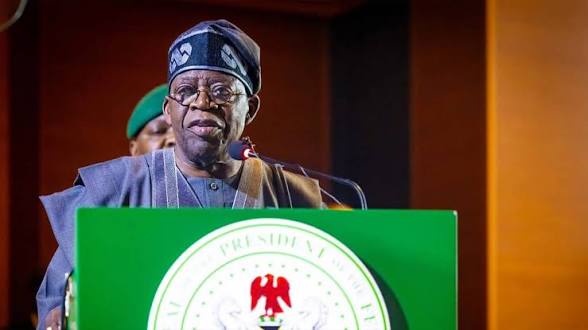
Jonathan, who had been deployed as part of a joint election observer mission representing the African Union (AU), ECOWAS, and the West African Elders Forum, was moved under military protection as the crisis deepened. His evacuation underscores the gravity of the breakdown in state authority and the escalating risks facing diplomatic envoys.
Dual Declarations of Victory Trigger Breakdown of Constitutional Order
Tensions reached a critical point after both incumbent President Umaro Sissoco Embaló and leading opposition candidate Fernando Dias declared themselves winners of Sunday’s presidential election—even though the official results had yet to be released by the electoral commission.
Within hours, the military announced:
Immediate suspension of the electoral process
Closure of all land, air, and sea borders
Imposition of a nationwide curfew
The actions amount to a de facto military takeover, raising concerns about the legality of the intervention under the ECOWAS Protocol on Democracy and Good Governance, which prohibits unconstitutional changes of government.
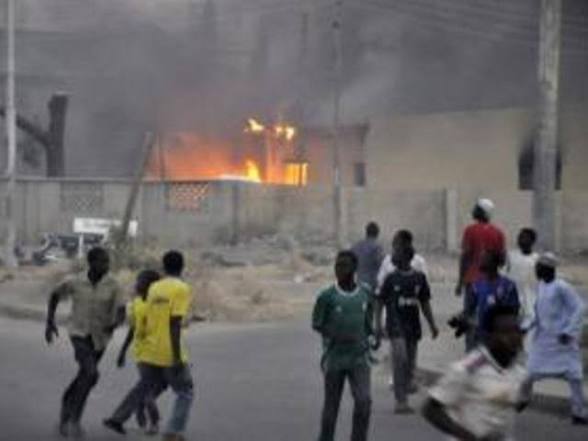
Gunfire was reported near key state institutions, including the presidential palace and election commission headquarters, signaling the collapse of civilian oversight.
Nigeria Activates Diplomatic Channels for Jonathan’s Safety
Earlier in the day, Nigeria’s House of Representatives urged the Federal Government to secure Jonathan’s safe return, noting that his presence in Guinea-Bissau was strictly in an observer capacity. Lawmakers also requested rescue arrangements for other Nigerian nationals currently trapped amid the unrest.
The rapid deterioration of security conditions has prompted several West African governments to reassess evacuation plans for their nationals.
President Embaló Reportedly Arrested
Reports from the BBC and Jeune Afrique confirm that President Embaló was arrested on Wednesday by armed officers. Also detained were:
General Biaguê Na Ntan, Chief of Defence Staff
General Mamadou Touré, Deputy Chief of Defence Staff
Botché Candé, Minister of the Interior
Embaló described the development as a “coup d’état,” alleging it was orchestrated by the military hierarchy. Notably, he stated that no force was used during his arrest.
Legal Observer Analysis: A Dangerous Precedent for West Africa
Guinea-Bissau’s crisis marks yet another rupture in West Africa’s democratic fabric. Key concerns include:
Erosion of electoral legitimacy when rival candidates self-declare victory
Precedent-setting military interference, contradicting the regional zero-tolerance policy on coups
Risks to diplomatic immunity, given the need to secure Jonathan’s safety
Potential humanitarian implications for citizens and foreign nationals amid border closures
The Legal Observer warns that if ECOWAS responds weakly, the region may face a proliferation of contested elections and further military interventions.
With borders sealed and institutions suspended, Guinea-Bissau enters an uncertain period. Diplomatic pressure, regional legal frameworks, and international mediation will determine whether the country returns to constitutional rule—or slides deeper into protracted instability.
Legal Observer News will continue monitoring developments as the situation unfolds.