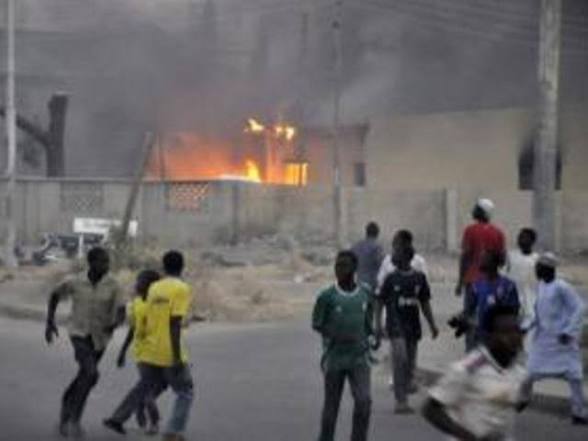
Reports of arson, forced entry, and the arrest of two women during an eviction operation in Oworonshoki, Lagos, have intensified public concern over the legality and human rights implications of ongoing demolition exercises in the waterfront community.
The Take It Back (TIB) Movement – Lagos, in a statement on Thursday, condemned what it described as “violent and unlawful conduct perpetrated under the guise of urban rehabilitation,” calling for urgent government action and a full, independent investigation.
According to the group, several residents alleged that unidentified individuals—believed to be hired enforcers—entered homes without lawful authority, removed valuables, and set structures ablaze, leaving families displaced and distressed.
One of the affected families, the Babsolowos, reportedly lost their home while their elderly grandmother was still inside the building. Witnesses say the family was left without access to their belongings or shelter following the destruction.
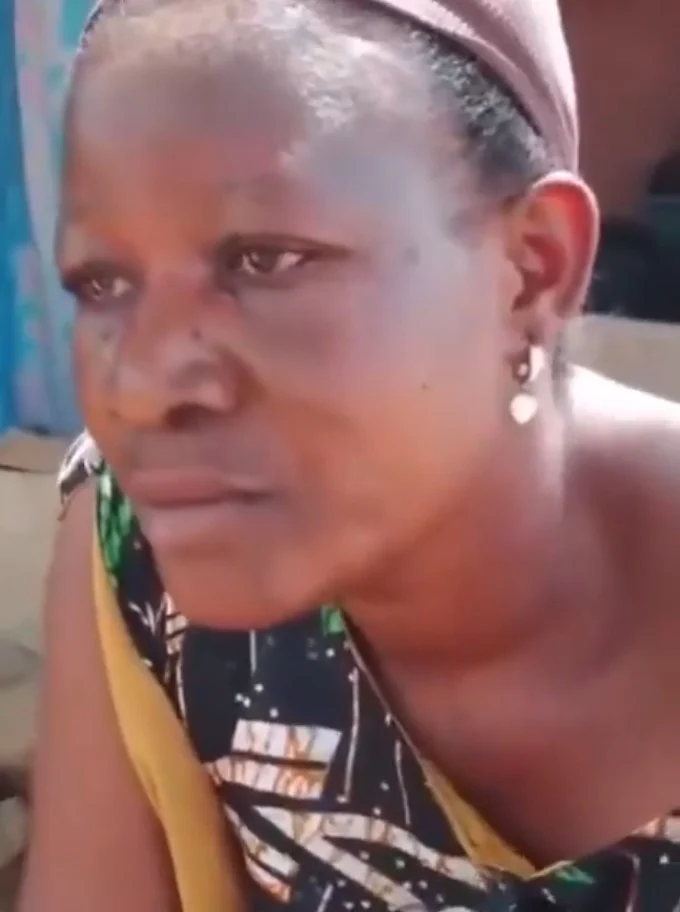
The situation escalated further when two women from the community were arrested, allegedly for using “abusive language” during the chaos. Community witnesses report that the women were initially held in a police vehicle before being transferred to the Lagos Task Force Base in Oshodi, where they now face the possibility of rapid prosecution before a mobile court.
TIB criticised the use of force, the involvement of non-state actors, and what it called “a growing pattern of intimidation during state-backed eviction exercises.”
The movement issued a series of demands, including:
The immediate release of the detained women
An independent inquiry into the alleged arson, theft, assault, and unlawful arrests
A suspension of ongoing demolition actions in Oworonshoki pending a rights-based review
Transparent and community-inclusive urban development processes
TIB argued that no redevelopment initiative, “whether described as renewal, rehabilitation, or modernization,” should involve the criminalization of victims, disregard for court orders, or the destruction of homes without due process.
Oworonshoki, part of the Kosofe Local Government Area, has faced waves of demolitions since 2016. Rights groups such as Justice & Empowerment Initiatives (JEI) and Spaces for Change have documented repeated instances of forced evictions conducted without adequate notice, consultation, compensation, or relocation support, often in defiance of existing court injunctions.
Major demolitions intensified in 2017 and again in 2024, displacing thousands of residents, disrupting small businesses, and significantly affecting livelihoods in fishing and informal trade.
Human rights advocates continue to warn that the recurring demolitions raise serious questions about compliance with constitutional protections, judicial authority, and Nigeria’s international human rights obligations.