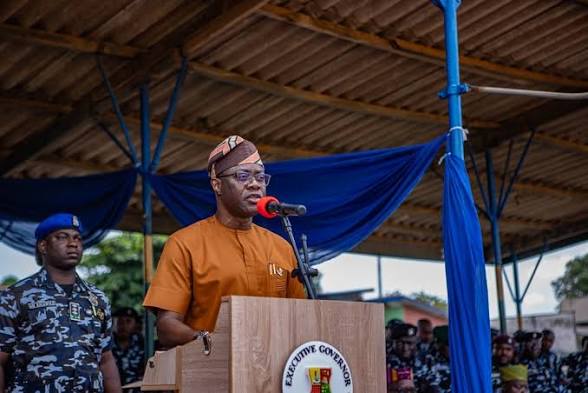
Hon. Muhammad Bello El-Rufai, son of former Kaduna State Governor Nasir El-Rufai and current member representing Kaduna North Federal Constituency, has raised serious concerns over what he described as alarming inconsistencies in Nigeria’s sentencing of terrorism-related offences.
Speaking during plenary, the young lawmaker questioned why a convicted Boko Haram member recently received a 20-year sentence, while IPOB leader Nnamdi Kanu was handed a life sentence just one week earlier.
He argued that such wide discrepancies fuel public suspicion that justice is not applied uniformly across regions or groups.
El-Rufai stated that while he was not defending any particular defendant, the perception of unequal justice is dangerous for a country already battling multi-layered insecurity.
He maintained that the justice system must project fairness, predictability, and proportionality:
“When one person gets 20 years and another gets life for offences under the terrorism framework, people begin to think justice depends on who is involved.”
Warnings on National Security and Public Perception
The lawmaker emphasised that inconsistencies in high-profile terrorism cases undermine public confidence and could deepen Nigeria’s already fragile security environment.
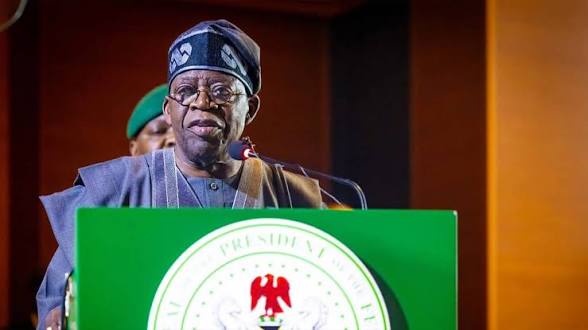
He supported President Tinubu’s latest security plan but stressed that Nigeria’s long-standing challenge lies in poor execution—not a lack of ideas.
“We make good plans. We don’t implement them with timelines. Parliament must insist on those timelines.”
Bello El-Rufai also pushed for urgent reforms including:
Increased salaries and welfare for police and military personnel
Digitised and transparent security recruitment
State police and decentralised security operations
Active involvement of traditional institutions in local policing
He noted that the country’s current police-to-population ratio—one officer for around 600 Nigerians—is far below recommended levels.
The lawmaker reiterated that centralised policing simply cannot cover Nigeria’s vast and diverse security terrain.
He dismissed fears that state policing would be abused by governors, stating that state chief executives already exercise significant control over local security processes.
In a striking moment of introspection, Bello El-Rufai argued that northern leaders have failed to invest in their youth, thereby enabling cycles of radicalisation and criminality.
He referenced trending videos of bandit groups flaunting cash online, warning that such displays easily attract unemployed and unskilled young people.
“We neglected our youth for years. Now crime looks like a career path.”
He concluded by insisting that Nigeria must prioritise security above all else, describing protection of citizens as the “first constitutional obligation” of government.
Bello El-Rufai urged the National Assembly to accelerate constitutional amendments that would legalise state police, strengthen accountability, and modernise Nigeria’s security architecture.