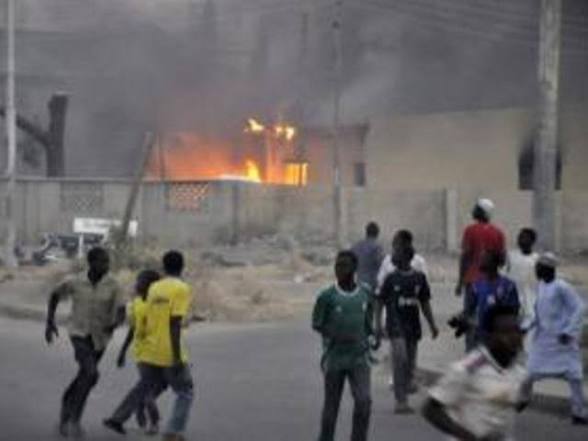
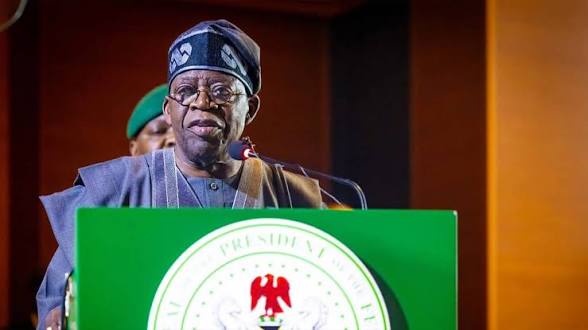
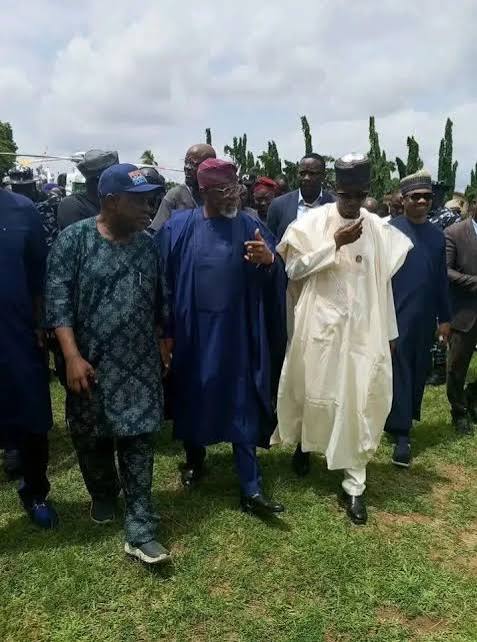
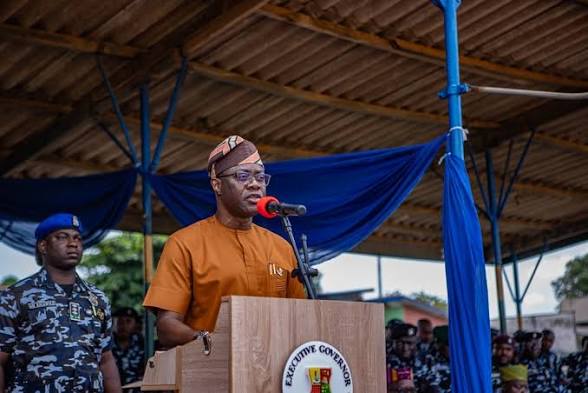
The Senate spokesperson, Senator Yemi Adaramodu, has reiterated that the Federal Government did not pay ransom to secure the release of victims abducted in recent attacks in Kebbi and Niger States, urging the public to avoid drawing conclusions based solely on the absence of visible combat evidence.
Speaking during an appearance on Channels Television’s The Morning Brief, Adaramodu emphasized that both the National Assembly and the Federal Government maintain a strict policy against ransom payments.
“From what we know at the National Assembly, no ransom was paid to any group,” the senator affirmed.
“Contact with abductors can take different forms—through confrontation or through strategic persuasion—but not necessarily through ransom payments.”
Secrecy Around Rescue Operations “Necessary,” Says Senate
With school abductions continuing to raise public anxiety, civil society groups have repeatedly criticized government agencies for releasing victims without transparent explanations of the rescue process.
Adaramodu, however, defended the confidentiality around military operations, arguing that public disclosure of strategies could compromise future rescue efforts.
“The fact that the public did not see captured suspects or bodies does not mean security forces did not engage,” he said.
“Armed groups often abandon victims once they sense superior firepower advancing toward them.”
He added that security agencies are not obligated to announce operational details, such as the number of personnel deployed or the firepower used.
In response to mounting concerns over the attack on a girls’ secondary school in Kebbi State, the Senate has set up an ad-hoc committee to examine the security lapses that enabled the abduction.
According to briefings received by lawmakers, soldiers assigned to protect the school allegedly left their duty post only minutes before the attackers arrived, a development now central to the probe.
The committee is also expected to investigate the circumstances surrounding the death of Brigadier General Musa Uba, a senior officer involved in anti-banditry operations in the region.
The renewed scrutiny comes at a time when Nigeria’s security framework faces intense pressure from citizens and legal advocates demanding better:
intelligence coordination,
early-warning systems,
school safety protocols, and
civilian protection in conflict-prone zones.
Legal analysts note that the Senate’s inquiry could set a precedent for stronger accountability standards within the military, particularly regarding deployment oversight and duty-post compliance.
Adaramodu concluded by stating that the National Assembly will continue to demand transparency from security agencies while supporting them with necessary legislative backing.
“Our focus is the safe return of victims—children, workers, worshippers, and families—taken from their communities,” he said.
“The operations that secure their rescue must remain the priority.”