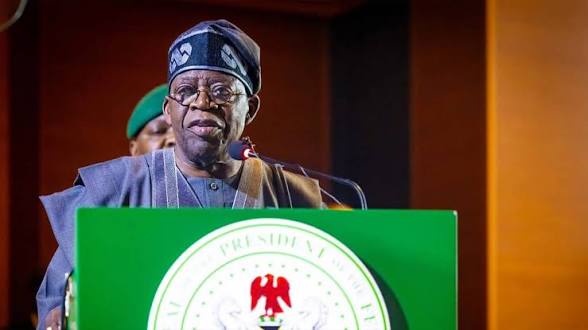
The Presidency has reaffirmed that President Bola Tinubu’s recent ambassadorial nominations fall squarely within his constitutional authority, urging the public to view the selections through the lens of executive discretion rather than political controversy.
During a Monday interview on Channels Television’s Morning Brief, the Senior Special Assistant to the President on Foreign Affairs and Protocol, Ademola Oshodi, explained that diplomatic appointments—whether career or political—have historically reflected the judgment and confidence of the appointing president.
Oshodi noted that political considerations in ambassadorial postings are not unique to Nigeria. According to him, world leaders frequently deploy individuals they trust to strategic diplomatic locations. He referenced practices in countries such as the United States and the United Kingdom, where presidents and prime ministers have appointed close associates or long-time political allies as envoys.
He emphasized that while appointees should meet basic standards of integrity, the President ultimately retains the mandate to select individuals he believes can advance Nigeria’s interests abroad. Challenging these decisions, Oshodi argued, often stems from a misunderstanding of how executive power operates within a democratic mandate.
> He stressed that the electorate voted for a president empowered to make such decisions, and that the performance of the nominees—rather than public speculation—will eventually determine the merit of the choices.
The latest batch of 32 nominees—submitted to the Senate for confirmation—includes notable figures such as former INEC Chairman Mahmood Yakubu, former presidential aide Reno Omokri, former Aviation Minister Femi Fani-Kayode, and former Enugu State Governor Ifeanyi Ugwuanyi.
The Presidency clarified that specific postings for the nominees will be announced only after Senate confirmation. The list also includes a mix of career diplomats and non-career nominees, with women represented in both categories.
For the Tinubu administration, the nominations are being framed as strategic placements intended to strengthen Nigeria’s diplomatic, economic, and security interests globally. However, the selections have continued to trigger debate across political and civil society circles—especially regarding the balance between political loyalty and professional expertise.
The LegalObserver News will continue to monitor Senate proceedings and the broader implications of these appointments on Nigeria’s foreign policy direction.