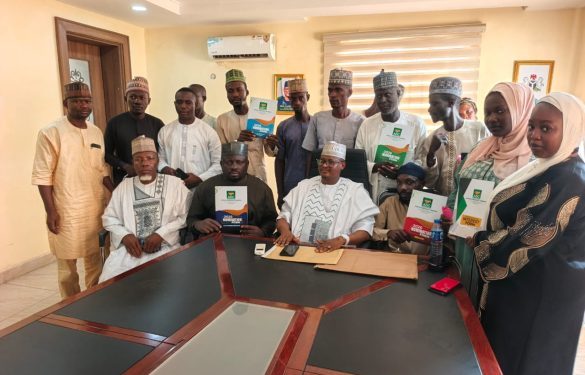
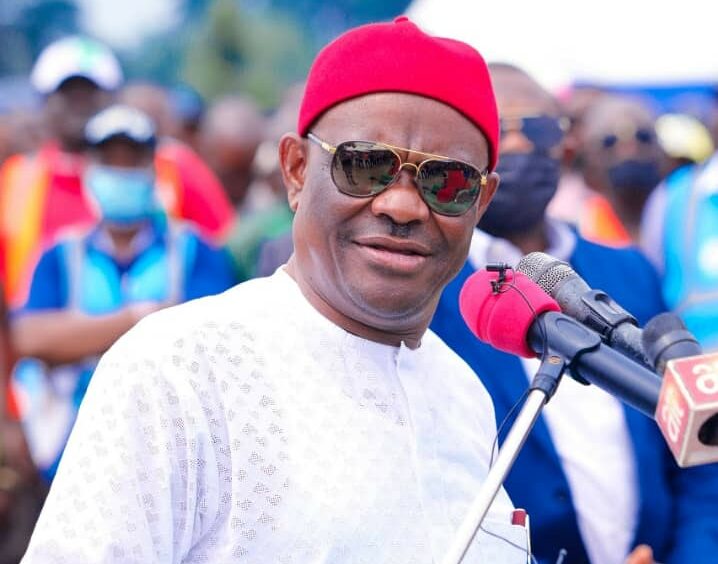
Residents of Borno State went to the polls on Saturday in local government elections marred by the exclusion of major opposition parties, including the Peoples Democratic Party (PDP) and African Democratic Congress (ADC), leaving the All Progressives Congress (APC) as the unchallenged frontrunner. The Borno State Independent Electoral Commission (BOSIEC) conducted the exercise across the state’s 27 local government areas, with voting largely peaceful but characterized by low turnout and scattered complaints of logistical delays.
The absence of PDP and ADC candidates from the ballot stemmed from BOSIEC’s earlier rulings disqualifying them over alleged non-compliance with submission guidelines. This decision, upheld despite protests, effectively turned the election into a contest primarily between APC and a handful of smaller parties. Polling units in Maiduguri, the state capital, and surrounding areas like Jere and Biu opened around 8:30 a.m., with accreditation and voting proceeding under tight security provided by the Nigerian Army and police.
Eyewitnesses reported brisk activity in APC strongholds, but many urban centers saw long stretches of inactivity. In Gwange Ward, Maiduguri, one resident, Aisha Modu, lamented the limited choices. “We came out to vote, but seeing only APC names on the ballot makes it feel pointless. Where is the competition?” she told reporters, echoing a sentiment of disillusionment rippling through queues.BOSIEC Chairman, Al-Mustapha Lekka, defended the process in a pre-poll briefing, insisting on transparency. “We have made adequate arrangements for a free, fair, and credible election. All accredited parties and candidates will participate,” Lekka stated.
He added that the commission had deployed over 5,000 ad hoc staff and distributed materials to 90% of polling units by dawn, urging voters to ignore “unfounded rumors.”
Opposition figures decried the exclusions as undemocratic. PDP State Chairman, Barr. Beatty Mawiyar, who boycotted the election, lambasted BOSIEC in a statement read to journalists. “This is a rape of democracy. PDP candidates were arbitrarily disqualified without fair hearing. We reject this sham,” Mawiyar fumed, calling for federal intervention. Similarly, ADC’s candidate for Maiduguri LG, Hon. Bulama Modu, protested at the BOSIEC office: “They said our forms were incomplete after we met all requirements. This is sabotage.”
APC leaders, buoyed by the opposition’s absence, projected confidence. Borno APC Chairman, Hon. Muhammad Abdullahi, hailed the poll as a “test of popularity.”
“Our candidates are people-oriented and have the masses’ support. Victory is assured,” he declared at a party rally in Bolori. Governor Babagana Zulum, who voted early at Muna IDP Camp polling unit, reinforced this narrative. “This election is about continuity of development. Vote for leaders who deliver,” Zulum urged supporters, emphasizing his administration’s infrastructure projects.Voter apathy appeared pronounced, particularly among youth and women.
In Kaga LGA, a hotbed of past insurgent activity, turnout hovered below 30%, per informal tallies by observers from the Yiwa African Foundation. Activist Ibrahim Yusuf attributed this to “fatigue from one-party dominance and ongoing security fears.” He noted empty polling stations in remote wards, where Boko Haram remnants still pose threats.Security remained a focal point, with no major incidents reported by midday.
The Army’s 7 Division confirmed deployments along major highways, while police arrested three suspected vote-buyers in Damboa. Independent monitors, including the Centre for Democracy and Development (CDD), praised logistics but flagged the opposition blackout. CDD’s Virginia Braimoh observed: “Exclusion of PDP and ADC undermines credibility. BOSIEC must explain disqualifications transparently.”
As results began trickling in from rural areas, APC agents predicted a clean sweep, citing incumbency advantages and Zulum’s popularity. Collation centers in Maiduguri buzzed with anticipation, but analysts warn the lopsided ballot could fuel post-election litigation. In a state rebuilding from over a decade of insurgency, Saturday’s vote tests not just local leadership but the resilience of Nigeria’s democratic experiment in the Northeast.BOSIEC has promised results by Sunday evening, amid calls from civil society for electoral reforms ahead of 2027.