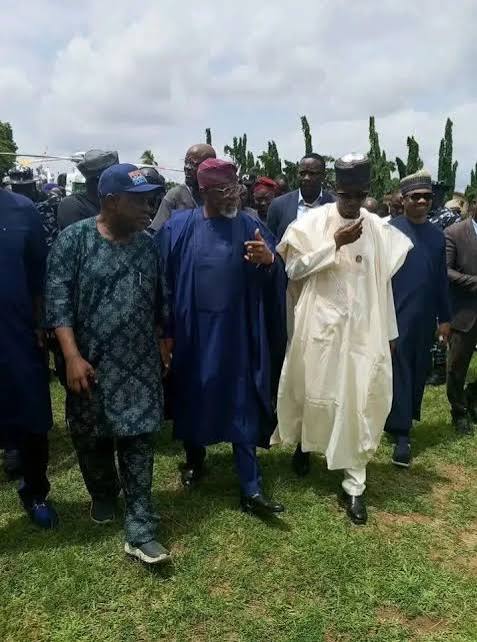
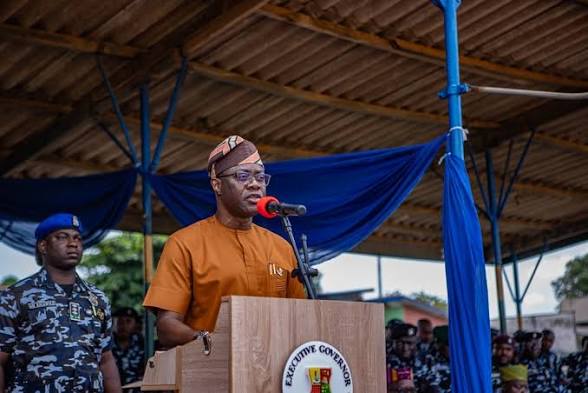
The Department of State Services (DSS) are increasingly seeking paid escort duties from politicians and high-profile individuals, sources familiar with the matter have disclosed. This unconventional moonlighting, typically reserved for police officers, has sparked concerns over professionalism, potential conflicts of interest, and the financial desperation gripping federal security agencies amid ongoing economic hardships and internal reforms.
Multiple insiders, speaking anonymously on condition of confidentiality due to the sensitive nature of their roles, painted a picture of DSS personnel actively canvassing for private security contracts. “DSS officers are now begging politicians for escort duties. They approach VIPs directly, offering their services for events, travels, and personal protection,” one senior source within the service confided.
This development comes at a time when Nigeria grapples with biting inflation, rising living costs, and salary delays that have left many public servants, including security operatives, struggling to make ends meet.
The practice, which blurs the lines between official duties and private enterprise, appears to have gained traction in recent months. Politicians in Abuja and other major cities report receiving unsolicited pitches from DSS officers, often during informal encounters at events or through intermediaries. “Some of these officers are even advertising their ranks and DSS affiliations to attract high-paying clients,” another source revealed, adding that rates for such services can range from ₦500,000 to several million naira per assignment, depending on the VIP’s profile and the operation’s risks.
Critics argue this trend undermines the DSS’s mandate as an elite intelligence and internal security agency, established under the National Security Agencies Act to focus on covert operations, counter-terrorism, and high-level threats—not personal bodyguard roles. Legal experts echoed these worries. “This is a dereliction of duty and a violation of the public trust. DSS officers are funded by taxpayers for national security, not to compete with private firms,” said Barrister Aminu Yakubu, a constitutional law expert based in Abuja.
The disclosures also highlight broader systemic issues within the DSS. Recent internal audits and reforms, initiated under Director-General Tosin Ajayi, have reportedly led to staff reshuffles, demotions, and salary rationalizations, exacerbating financial strains. “With the new administration’s cost-cutting measures, many officers feel squeezed. Escort duties have become a survival strategy,” a mid-level operative explained. This mirrors similar reports from the Nigeria Police Force, where officers have long supplemented incomes through VIP protection rackets, but the involvement of DSS marks an alarming escalation.
Further complicating matters, these side gigs raise red flags about accountability and potential corruption. Sources indicate that some officers use unmarked DSS vehicles and official gear for private jobs, potentially exposing the service to liability. “If anything goes wrong during one of these escapades, it could tarnish the entire agency,” warned a retired DSS director, who spoke off the record.
According to Intel Region’s investigations, uncovered instances in Abuja, Lagos, and Kano where politicians confirmed hiring DSS personnel. One National Assembly member, who declined to be named, admitted: “I was approached last month by two officers offering to secure my convoy for a constituency project launch. They quoted ₦1.2 million, and I paid because their presence deterred threats.” Another VIP, a prominent businessman, shared: “DSS guys showed up at my office uninvited, flashing IDs and promising discretion. It’s flattering but raises questions about whose side they’re really on.”
The DSS headquarters in Abuja did not respond to repeated requests for comment by press time. However, in a statement last week on unrelated matters, the agency reiterated its commitment to “professionalism and integrity,” urging personnel to uphold the highest standards.This exposé comes amid heightened scrutiny of Nigeria’s security sector. With insecurity persisting in regions like the North-East and North-West, and public trust in institutions at a low ebb, the moonlighting scandal could fuel demands for oversight reforms.
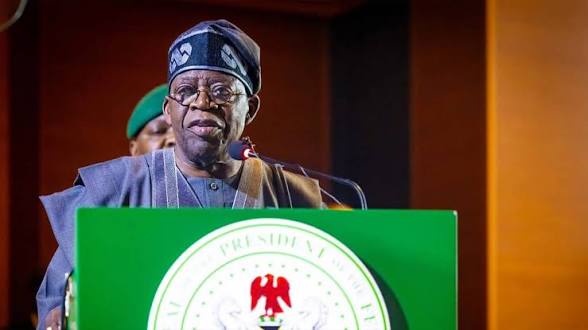
Civil society groups, including the Socio-Economic Rights and Accountability Project (SERAP), have called for immediate investigations. As Nigeria navigates economic turbulence under President Bola Tinubu’s administration, the sight of DSS officers hustling for private gigs underscores a deeper malaise: when those tasked with safeguarding the nation must fend for themselves on the open market, what hope remains for the rest?