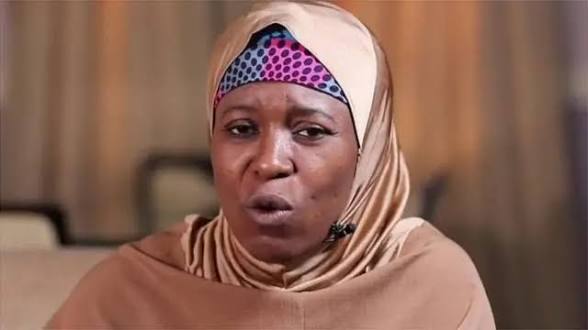
The senator representing Kogi Central, Natasha Akpoti-Uduaghan, has called on President Bola Tinubu to ensure that the proposed ₦58.18 trillion 2026 federal budget produces tangible improvements in the lives of Nigerians rather than remaining an impressive fiscal projection.
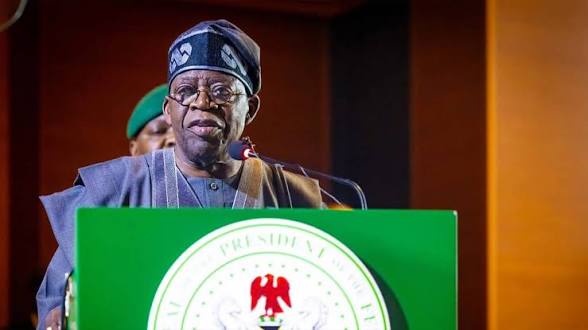
Reacting to the President’s presentation of the Appropriation Bill at a joint sitting of the National Assembly on Friday, the lawmaker described the moment as important but warned against placing excessive emphasis on the size of the budget without corresponding outcomes.
According to Akpoti-Uduaghan, the scale of government spending alone cannot address Nigeria’s long-standing development challenges, stressing that what truly matters is the real impact felt by citizens.
She quoted the President as saying that the value of a budget lies not in its size but in the level of benefit it delivers to the people, noting that the statement resonated deeply with public expectations.
The senator observed that while the ₦58.18 trillion proposal reflects the magnitude of Nigeria’s economic ambitions and structural difficulties, ordinary Nigerians are more concerned about how public funds translate into improved living conditions.
She said citizens expect budgets to result in sustainable job creation, reliable infrastructure, affordable healthcare, quality education and accessible social services, rather than remain figures on paper.
Akpoti-Uduaghan also underscored the importance of accountability, stating that meaningful governance outcomes require both responsible leadership and active public scrutiny.
“Leaders must raise their standards, and citizens must insist on accountability,” she said.
A member of the Senate Committee on Finance, Akpoti-Uduaghan has consistently advocated transparency, prudent resource management and people-focused budgeting—positions that reflect growing public concern over the effectiveness of Nigeria’s expanding annual budgets.
Her comments echo broader sentiments within and outside the National Assembly that rising budget figures have yet to translate into proportional gains in welfare, productivity and social stability.
President Tinubu had presented the 2026 Appropriation Bill on Friday, projecting gradual economic improvement while promising stricter budget discipline and stronger revenue enforcement across government agencies.
He also pledged a tougher security stance, stating that armed non-state actors would be treated as terrorists under his administration’s security framework.
Titled “Budget of Consolidation, Renewed Resilience and Shared Prosperity,” the proposal, according to the President, aims to consolidate recent macroeconomic gains, rebuild investor confidence and convert economic stability into widespread prosperity.
Tinubu defended his administration’s economic reforms, citing improved growth figures, easing inflation, higher oil output, stronger non-oil revenue and renewed investor confidence as signs of progress.
However, as legislative debates on the proposal commence, Akpoti-Uduaghan maintained that the true measure of the 2026 budget will be its ability to deliver visible and lasting benefits to Nigerian households and communities.