Nigeria’s diplomatic efforts to counter the United States’ framing of insecurity in the country as a “Christian genocide” appear to have yielded little result, following U.S. airstrikes on suspected terrorist locations in Sokoto State on Christmas Day.
U.S. President Donald Trump described the strikes as a response to militants allegedly “viciously killing innocent Christians,” reinforcing a narrative Nigerian authorities have consistently rejected. Abuja maintains that terrorism in the country is not religiously motivated but driven by long-standing insurgency, banditry, and criminal networks affecting both Christians and Muslims.
While the Federal Government has acknowledged military cooperation with Washington, analysts say Nigeria is struggling to control how its security crisis is perceived internationally. Political analyst Tobi Adetunji argued that Nigeria should focus less on foreign narratives and more on addressing its internal security weaknesses, noting that international intervention often reflects domestic failure.
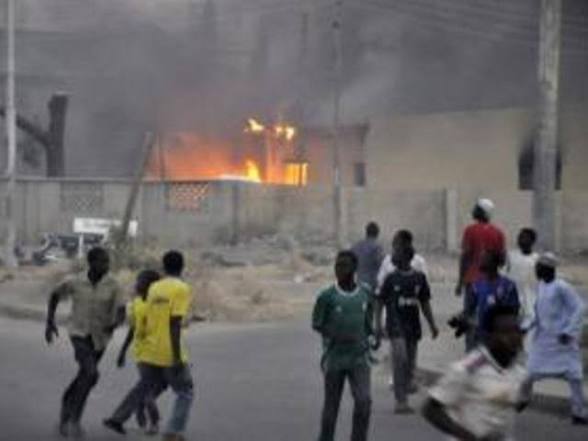
Security expert Zagazola Makama also questioned the effectiveness of the strikes, stating that Jabo community in Tambuwal Local Government Area—where explosions were reported—has no history of ISIS, ISWAP, or Boko Haram presence.
Meanwhile, Pan-African affairs commentator Ndu Okoh supported deeper military collaboration with the U.S., arguing that American intelligence, technology, and training could significantly strengthen Nigeria’s counterterrorism efforts amid rising violence nationwide.
The airstrikes have also triggered legal and sovereignty debates. Lawyer Chinwike Ezebube described terrorism as a global crime that may justify international intervention under international law, while acknowledging concerns over Nigeria’s territorial integrity. Another lawyer, Evans Ufeli, warned that any foreign military action without Nigeria’s consent would constitute a violation of sovereignty and international law, particularly if civilian targets were hit.
Senior legal practitioners and scholars expressed mixed views, with some arguing the strikes were a “face-saving joint action” to avert unilateral U.S. intervention, while others stressed the need for clearly defined rules of engagement, accountability for civilian casualties, and respect for Nigeria’s independence.
Former UN official Professor Babafemi Badejo said sovereignty is tied to a state’s ability to protect its citizens, adding that international law allows intervention where governments fail to do so. He emphasized that the focus should be on degrading terrorism, not debating religious narratives, as terrorists have targeted Nigerians of all faiths.
Experts agreed that Nigeria must demonstrate stronger political will, transparency, and urgency in tackling terrorism, warning that continued insecurity erodes public trust and invites external pressure.