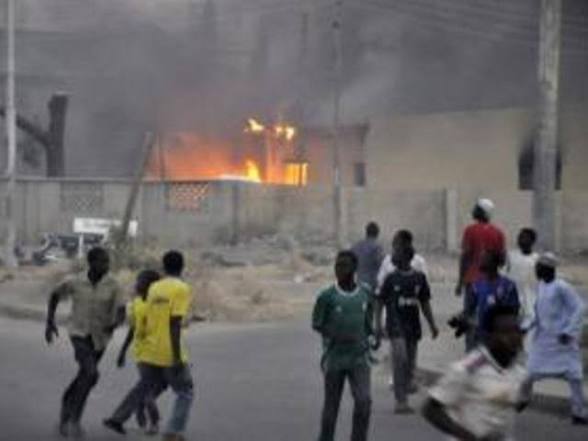
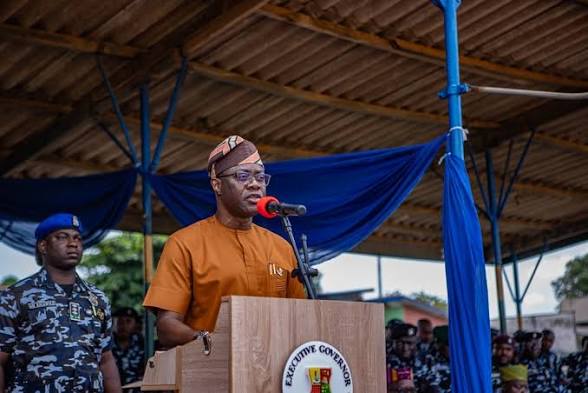
Oyo State Governor Seyi Makinde has dismissed assertions made by former Ekiti State governor Ayodele Fayose, who claimed that the Federal Government allocated ₦50bn to Oyo State as relief assistance following the explosion in Bodija, Ibadan, in January 2024.
In a statement released by his media aide, Dr. Sulaimon Olanrewaju, Makinde clarified that while the state had requested ₦50bn, only ₦30bn was ultimately approved and disbursed.
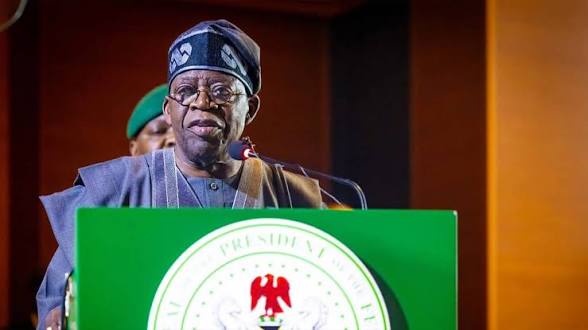
Fayose stirred controversy during a TV interview, alleging that Makinde had not disclosed the supposed ₦50bn support received from President Bola Tinubu’s administration, despite publicly asserting that he declined a political request from the President.
In response, Olanrewaju stated that the letter being referenced only indicated a request for support, not proof of disbursement.
“A promise is not a release. What exists is a request and a promise — not the payment of ₦50bn,” he remarked.
He further noted that out of the ₦30bn received, ₦4.5bn had gone directly to victims, while the remaining funds were allocated for reconstruction, infrastructure improvements, and security enhancements in the affected area.
Olanrewaju suggested that the renewed criticism stemmed from Makinde’s recent announcement that he would not support President Tinubu’s 2027 re-election campaign, accusing political rivals of trying to undermine the governor through misinformation.
Meanwhile, a pro-PDP faction in the state, known as Oyo PDP-Visionaries, also disputed Fayose’s claims, labeling the referenced document as merely a request. The group criticized Fayose for allegedly disseminating falsehoods to tarnish Makinde’s reputation.
In addition, the Oyo State chapter of the All Progressives Congress (APC) demanded accountability, insisting that Makinde must clarify how any funds received — whether ₦30bn or ₦50bn — were utilized. The party accused the governor of financial mismanagement and urged him to publish comprehensive records of expenditures related to the Bodija explosion.
The APC emphasized that Makinde’s responses through aides were inadequate, stating that the public “deserves to know what was done with the money.”