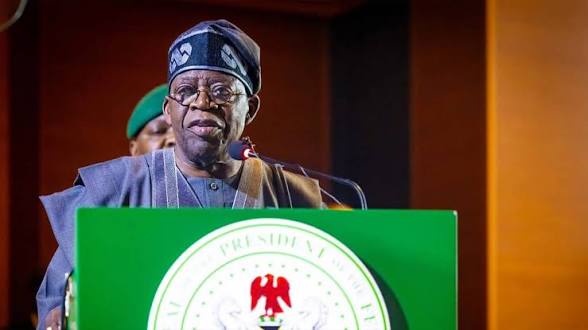
The Yobe State Hisbah Commission issued a directive to curb public social interactions between men and women, including in vehicles, motorcycles and at gatherings, a move the commission says is intended to uphold Sharia values and preserve community morals.
This directive was issued in a public notice dated December 31, 2025, through the office of Dr. Muhammad Yawudi Kale, State Commander of the Hisbah Commission, and approved by the commission’s chairman, Dr. Yahuza Hamza Abubakar. The association outlined a series of behaviours it considered inconsistent with the teachings of Sharia and thus prohibited.
Dr. Yahuza Hamza Abubakar, warned residents against a range of conduct described as potentially “contrary to the teachings of Sharia.”
Therefore, among the specific prohibitions were: Physical interaction between men and women on public transport, particularly on three-wheelers (Keke Napep) and motorcycles, private conversations under the pretext of chatting” between opposite sexes, especially when such chats are viewed to conflict with Islamic principles, and reckless movement of vehicles in public places, including during weddings or festive celebrations like Sallah, which the Commission said could lead to indecorous conduct.
The statement also called on parents and community leaders to support enforcement efforts, stressing that the policies were aimed at “preserving the moral upbringing of our children.”
The Hisbah’s announcement has drawn mixed reactions across social media and public forums. Some residents and commentators welcomed the directive as reinforcement of cultural and religious values, while others criticised it as an overreach that could infringe on personal freedoms and everyday life.
One participant on a popular discussion forum argued skeptically that the rules verge on “parallel government structures” and are disconnected from the realities of modern society, questioning “Why not ban men and women from living in the same Yobe state?” in a sarcastic critique of the restrictions.
Another commenter described the measures as being beyond “reasoning and imagination,” reflecting broader concerns about the implications of such a directive in a diverse and pluralistic nation.
Hisbah organisations operate in several northern Nigerian states that implement parts of Sharia law alongside the secular legal system. These bodies traditionally focus on moral policing, such as discouraging alcohol consumption among Muslims and enforcing religious dress codes.