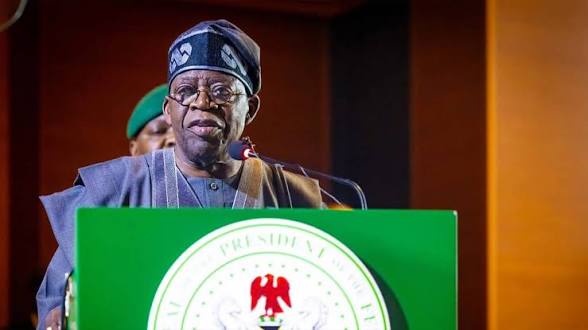
U.S. President Donald J. Trump has indicated that American oversight of Venezuela could extend for years, with a particular emphasis on managing the South American country’s vast oil resources, comments that have sparked international debate and raised questions about the future of Venezuelan sovereignty.
In an interview published Thursday, January 8, 2026, by The New York Times, Trump was asked how long U.S. involvement in Venezuela might last following a high-profile military operation earlier this month that overthrew Venezuelan President Nicolás Maduro. Trump responded: “Only time will tell” when pressed on whether the engagement would be measured in months or years, before adding, “I would say much longer.”
The president’s remarks suggest Washington is not planning a brief transitional role in Venezuela, but rather a prolonged presence tied closely to the management of its oil sector, the nation’s economic lifeblood. Trump said the United States would oversee the rebuilding of Venezuela “in a very profitable way,” stressing that oil revenue would play a central role in the strategy.
“We’re going to be using oil, and we’re going to be taking oil. We’re getting oil prices down, and we’re going to be giving money to Venezuela, which they desperately need,” the president told the newspaper.
Trump’s comments come after U.S. forces conducted a nighttime operation in Caracas on January 3, seizing Maduro and his wife, Cilia Flores, a move that effectively ousted the longtime Venezuelan leader and thrust the United States into the country’s ongoing political crisis.
In addition to long-term oversight, the Trump administration has outlined plans to control Venezuela’s oil sales and revenues for the foreseeable future. According to comments from U.S. officials and additional reporting, Venezuela has agreed, under pressure from sanctions and U.S. control of its export infrastructure, to transfer between 30 million and 50 million barrels of oil to the United States in the early stages of this policy shift.
Energy Secretary Chris Wright has said Washington will manage the flow of Venezuelan crude, directing it to U.S. refineries and controlling the proceeds through U.S. accounts, a move he described as critical to reshaping the country’s economy.
Trump framed this approach as a mutually beneficial arrangement, suggesting that Venezuela would use some of the revenue to purchase American-made goods, a policy he described on his social media platform.
The president also indicated a shift in diplomatic posture. During the New York Times interview, he softened earlier threats of military action against neighbouring Colombia, inviting its leftist leader to Washington, a stark contrast to previous rhetoric.
However, Trump’s announced strategy has drawn sharp responses both domestically and internationally. Critics in the U.S. Senate have advanced war powers resolutions seeking to limit the president’s ability to conduct further military actions in Venezuela without congressional approval, citing concerns about executive overreach.
Lawmakers have expressed unease over the open-ended nature of U.S. involvement, with some describing a prolonged presence as tantamount to a “forever engagement” with uncertain legal and humanitarian ramifications.
Reactions across Latin America and beyond have been mixed. Venezuelan interim authorities, installed after Maduro’s capture, have publicly downplayed claims of U.S. governance, asserting disagreement with the narrative of direct foreign control. However, their cooperation with Washington on oil exports has been seen by analysts as a pragmatic response to crippling sanctions and economic collapse prior to the U.S. intervention.
Meanwhile, global powers, including European nations and Russia, have criticised the U.S. approach as a breach of international norms and a form of modern economic imperialism, particularly given the strategic importance of Venezuela’s oil reserves.
As Washington prepares to host discussions with major U.S. oil firms regarding investments in Venezuela’s crumbling energy infrastructure, questions linger over how long U.S. involvement will endure and what it will mean for the Venezuelan people and regional stability.
Trump’s assertion that “only time will tell” underscores a broader uncertainty at the heart of America’s expanding role in Venezuelan affairs, one that could shape geopolitical and economic dynamics in the Western Hemisphere for years to come.