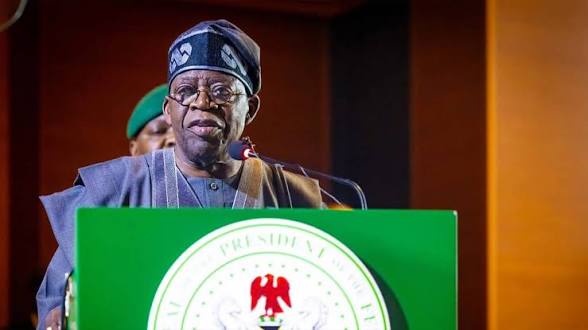
The Federal Government has allocated ₦7.01 billion for the travel expenses of President Bola Ahmed Tinubu and Vice President Kashim Shettima in the proposed 2026 federal budget, according to details published by Intel Region. The allocation, which forms part of the broader ₦58.18 trillion 2026 Appropriation Bill, outlines specific funding for both international and domestic travel for Nigeria’s top executive officers.
Under the breakdown of the travel and transport component of the budget, ₦6.14 billion is earmarked for President Tinubu’s international travels during the upcoming fiscal year, with an additional ₦873.88 million set aside for local movement. Similarly, Vice President Shettima’s travel expenses are covered under the same bill, contributing to the combined allocation that totals just over ₦7 billion for their official trips.
The travel provisions come as part of the budget proposal submitted to the National Assembly in December 2025, a document that outlines the federal government’s planned revenues and expenditures for the 2026 fiscal cycle. President Tinubu had earlier presented the budget, which was approved by the Federal Executive Council before its legislative transmission, underscoring the administration’s priorities for the year ahead.
According to the budget documents, “Tinubu’s international travel is allocated ₦6.14 billion, the largest portion of his travel budget. ₦873.88 million is also allocated for the President’s domestic travel and transport.”
“Funds are also provided to cover official travel and movement needs for the Vice President, contributing to the overall travel costs for Nigeria’s executive leadership.”
Therefore, budget watchers and analysts say travel allocations, particularly for international engagements, often reflect Nigeria’s diplomatic and economic commitments abroad, including participation in international summits, bilateral talks and multilateral negotiations. Proponents argue that strategic international engagements can open doors for foreign investment and partnerships. In the past, government officials have highlighted the importance of such engagements in securing economic opportunities and raising Nigeria’s global profile.
However, these allocations have also sparked public debate about fiscal discipline and priorities, especially in the context of broader economic challenges facing the country. Critics question such sizeable travel expenses amid competing demands in healthcare, education, and infrastructure, sectors that also received significant funding under the 2026 budget proposal.
The travel provisions form a relatively small portion of the overall budget framework. The 2026 Appropriation Bill, themed “Budget of Consolidation, Renewed Resilience and Shared Prosperity,” includes major allocations for defence, infrastructure, social services and debt servicing as the government seeks to balance economic recovery with fiscal constraints.
President Tinubu and his administration continue to defend such expenditures as necessary for maintaining Nigeria’s engagements on the global stage, arguing that active participation in international forums and diplomatic missions can yield economic and strategic benefits for the nation.
As the budget undergoes scrutiny by the National Assembly, lawmakers will consider and debate these allocations, including the travel expenses, before potential amendments and final approval later this year.