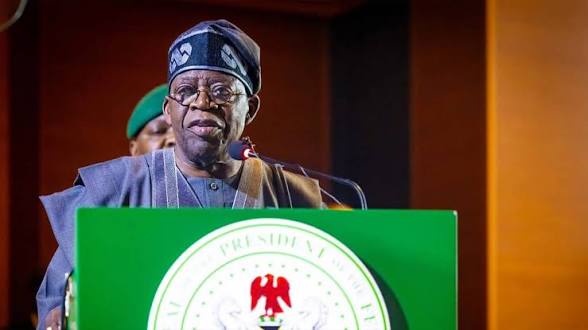
A prominent Nigerian political figure and serving senator has voiced strong optimism about the nation’s economic and security outlook, declaring that Nigeria is gradually emerging from its most difficult phase of recent challenges under President Bola Ahmed Tinubu’s administration.
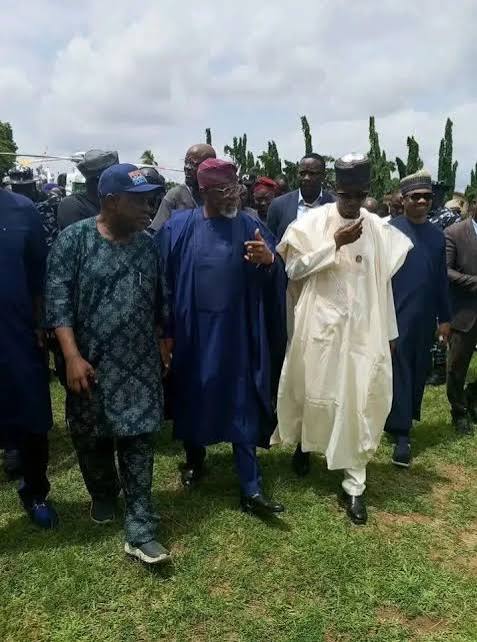
Speaking on Sunday, January 18, 2026, at his 21st annual family Thanksgiving service held at Abraham’s Tabernacle Church in Sagamu, Senator Otunba Gbenga Daniel, a former governor of Ogun State and currently representing Ogun East Senatorial District, said that the country had begun to stabilise after enduring “trying moments” linked to broad-based reforms.
Daniel, who also acknowledged the importance of faith and collective effort in Nigeria’s progress, said the country’s recovery was already visible and that “the worst is over” for the nation as Nigerians enter a new year.
In his address, Daniel gave credit to President Tinubu’s economic reforms, including the floation of the naira, the removal of fuel subsidies, and other structural adjustments designed to stabilise the economy, which many analysts had described as necessary but painful.
“First and foremost, we thank God Almighty for His preservation. We must also thank the President and Commander-in-Chief for providing the enabling environment and the time to move the nation forward…” Daniel said. “Inflation had risen sharply, but we are now hearing that it is beginning to ease. Despite these difficulties, we must continue to thank God Almighty, and we hope that this new year will be an unforgettable one in our country… The worst is over. I believe that gradually and steadily, things will continue to improve.”
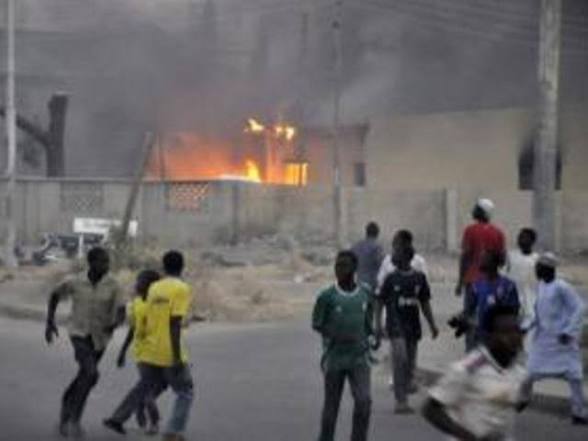
He also highlighted recent efforts to address insecurity, which he said were becoming more noticeable nationwide. While he acknowledged the hardships felt by many Nigerians during the transitionary phase, Daniel maintained that these reforms were positioning the country for longer-term stability.
Daniel, a seasoned politician who has served in public office for more than two decades, also spoke to what he described as a deep trust deficit between ordinary Nigerians and political leaders.
“You have always believed that all politicians are thieves, so whenever we step forward, you think we are spinning lies,” he said, referencing widespread public scepticism about political motives. “However, some of us follow the path of the late sage, Chief Obafemi Awolowo, whose works and selfless service remain an enduring legacy. We are trying hard to serve without blemish…”
Daniel noted that while deceit in politics remains a reality, he maintained his own record of public service as evidence of his commitment to integrity.
The thanksgiving service, attended by religious leaders, political figures, and community members, served as a backdrop for Daniel’s emphasis on prayer and collective resolve. He pointed to the presence of over 200 clergymen gathered to pray for the nation as a symbol of spiritual support for Nigeria’s recovery process.
“When you look around, at this massive gathering, you will see that over 200 clergymen came together simply to pray for Nigeria. That tells me we are making progress. We all need to pray more for our nation and our hardworking President so he can do so much more for the betterment of Nigeria.”
At the event, Oladipupo Adebutu, the 2023 Peoples Democratic Party (PDP) gubernatorial candidate in Ogun State, also spoke to the nation’s prospects. While acknowledging the significant challenges faced by Nigerians, Adebutu encouraged continued hope and reliance on faith.
“This is a delicate period for the nation, especially with the challenges Nigerians face. However, our God is the God of grace and mercy, and I believe He will intervene to make things better. Better days are surely ahead, so we must not lose hope.”
Daniel’s upbeat outlook mirrors recent assessments by government officials and some economic analysts that Nigeria’s reform programmes are beginning to show early signs of macroeconomic improvement, a view supported by recent data showing easing inflation and strengthening external reserves.
However, these assessments remain the subject of debate among economists and civil society groups, who point out that while macro indicators may be improving, many Nigerians continue to feel the effects of high living costs and insecurity in daily life.