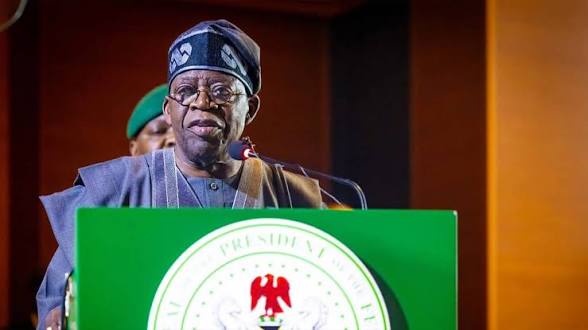
President Bola Ahmed Tinubu is poised to meet with Senator Rabiu Musa Kwankwaso, leader of the influential Kwankwasiyya movement, in what political watchers are calling a pivotal engagement in the unfolding political reconfiguration in Kano State ahead of the 2027 general elections. The planned meeting, scheduled shortly after a closed-door session between Tinubu and Kano State Governor Abba Kabir Yusuf, reflects intensifying efforts to broker strategic alignments across Nigeria’s political landscape.
Sources familiar with the development told Sahara Reporters that Governor Yusuf, a long-time political protégé of Kwankwaso, played a key role in facilitating the planned engagement between the former Kano governor and the President.
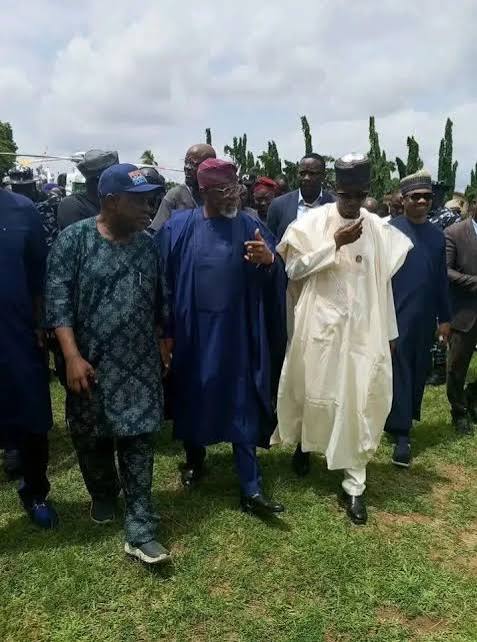
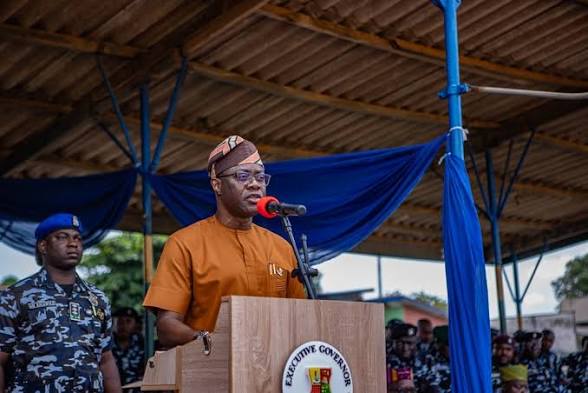
The anticipated meeting comes just a day after Tinubu held a private meeting with Governor Yusuf at the Presidential Villa, Abuja, a gathering that reignited speculation about the Kano governor’s possible defection from the New Nigeria Peoples Party (NNPP) to the ruling All Progressives Congress (APC). Yusuf, who has appeared on the Villa grounds in diplomatic white babanriga and a red Kwankwasiyya cap, first met with Tinubu amid swirling rumours about shifting party allegiance.
Political insiders said that the President is seeking to “harmonise key political interests across party lines” as part of broader consultations leading up to the 2027 polls. They said the upcoming discussion with Kwankwaso will likely focus on national stability, political cooperation and future alignments.
Until recently, Kwankwaso had publicly resisted overtures from the APC and warned Governor Yusuf against defecting from the NNPP, a party underpinned by his leadership and political base in Kano.
However, his position appears to have softened in recent weeks. Speaking to journalists, the NNPP’s 2023 presidential candidate, Kwankwaso hinted that he would consider a move “if presented with what he described as a satisfactory offer” from the ruling party.
A senior APC leader from the North-West, speaking on condition of anonymity, said the meeting between Tinubu and Kwankwaso has been tentatively scheduled for the evening, subject to final adjustments in the President’s itinerary. “The President is keen on broadening his political base,” the leader said, adding that discussions would likely emphasise how parties and leaders can work together in the lead-up to 2027.
The successive high-level engagements, first with Governor Yusuf, now with Kwankwaso, have heightened speculation about the future of the NNPP and the fate of the Kwankwasiyya movement, regarded as one of northern Nigeria’s most influential political blocs. Analysts believe any realignment involving both a sitting governor and a powerful political leader such as Kwankwaso could significantly alter the political calculus in Kano, a key battleground state.
Political observers say that bringing Kwankwaso into discussions with the APC could weaken efforts by opposition alliances, including a potential “Third Force” coalition involving figures like Peter Obi and Atiku Abubakar, and strengthen the ruling party’s grip not just on Kano, but on strategic northern constituencies.
Sources familiar with ongoing negotiations told Sahara Reporters that discussions around Governor Yusuf’s potential defection have been repeatedly delayed amid unresolved issues, including APC leadership’s reluctance to offer a written guarantee of an automatic governorship ticket in the 2027 elections. Yusuf is also reportedly pressing for the right to nominate a minister to represent Kano at the federal level and to replace Kano-based federal appointees with his loyalists, demands which have reportedly created friction with other APC power brokers, including Deputy Senate President Barau Jibrin, widely seen as a potential gubernatorial contender.
A coordinated alignment of Kwankwaso and Yusuf with the APC would mark a major shift in northern Nigerian politics, possibly reshaping party dynamics and voter blocs ahead of the 2027 general elections. Kano’s political landscape, historically marked by complex inter-party relations and influential movements, now stands at a critical juncture as key stakeholders weigh alliances, electoral advantages and power balances ahead of Nigeria’s next electoral cycle.