Medical professionals have sharply criticised the Federal Government’s proposed allocation of just 4.3 per cent of the 2026 national budget to the health sector, saying it signals a grave underinvestment in the wellbeing of Nigeria’s children and the nation’s broader health system.
The condemnation came on Thursday in Abeokuta, at the opening session of the 57th Annual General Meeting and Scientific Conference of the Paediatricians Association of Nigeria (PAN), themed “Achieving SDG-3 and Child Health Care through Innovative Funding Models and Technology-Driven Solutions.”
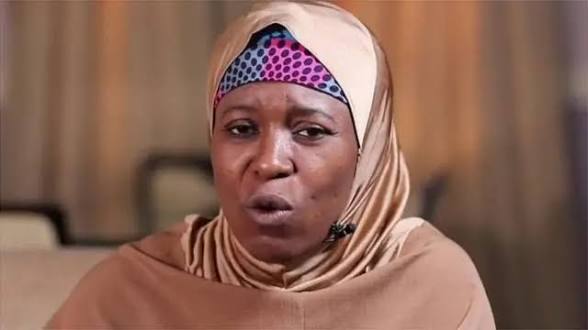
Speaking as the event commenced, Dr. Ekanem Ekure, President of PAN and a renowned child health specialist, said the modest allocation of 4.3 per cent of total government expenditure to the health sector “underscores a troubling lack of investment in the wellbeing and future of the Nigerian child.”
Ekure lamented Nigeria’s persistent challenges in child health outcomes, noting that despite some progress, the country continues to “grapple with high neonatal and under-five mortality rates of 41 and 110 per 1,000 live births respectively,” as well as “persistent malnutrition, suboptimal immunisation coverage, and inequitable access to quality child health services.”
She emphasised that these critical issues remain “disproportionately borne by children,” and asserted that the Ogijo lead poisoning crisis in Ogun State, linked to illegal battery recycling operations, further underscores the urgent need for stronger health financing and enforcement.
“While we appreciate the shutdown of offending factories,” Ekure said, “comprehensive remediation, medical intervention, regulatory enforcement, and national action to protect vulnerable children and safeguard their futures remain our demand.”
Referencing Sustainable Development Goal 3 (SDG-3), the United Nations target to ensure healthy lives and promote well-being for all at all ages, the PAN president noted that “although Nigeria’s national child health policies and strategies align with this goal, sadly, the country remains one of those considered off track in achieving it.”
She stressed that achieving SDG-3 by 2030 will require accelerated action, adequate financing, and innovative approaches beyond business as usual, including: Public-private partnerships and blended financing models, outcome-based funding, linking disbursement to independently verified results, and strategic use of technology to enhance immunisation, disease surveillance, and telemedicine initiatives.
“To the Federal Government, our plea remains this: let there be clear evidence of strong political will that treats child health as a national development priority, not merely a sectoral issue,” she urged, reiterating PAN’s call for state governments to significantly increase health sector allocations and prioritise child health.
In response to the doctors’ concerns, Dr. Isiaq Salako, Minister of State for Health, represented at the event by Dr. Omokore Oluseyi, Deputy Director of Child Health, outlined government initiatives aimed at reducing child mortality.
Salako highlighted the National Child Survival Action Plan, designed to strengthen evidence-based interventions such as: Newborn resuscitation, integrated nutrition services, and community-based management of childhood illnesses
He noted that the ministry is digitising the integrated community management platform to improve real-time diagnosis, referral, and data capture. “To drive these initiatives, we are leveraging technology,” Salako said, observing that Nigeria contributes more than 17 per cent of global under-five deaths, largely from preventable conditions such as prematurity, pneumonia, malaria, and malnutrition.
During the conference’s keynote lecture, Prof. Olugbenga Mokolu, Professor of Paediatrics at the University of Ilorin and Strategic Adviser to the Ministry of Health on Malaria Elimination, stressed the critical role of innovative financing and technology deployment for achieving health targets, especially mortality reduction.
Doctors’ calls for greater health financing come amid wider concerns about chronic underinvestment in Nigeria’s health system, which experts say is performing below optimal capacity due in part to limited public funding, a situation that affects service delivery, infrastructure, and access to care.
Health sector stakeholders have long argued that allocations well below global recommendations, such as the Abuja Declaration’s minimum benchmark of 15 per cent, leave the system vulnerable to persistent gaps in care and outcomes. The 4.3 per cent allocation for 2026, critics say, perpetuates this pattern and risks derailing national efforts to improve health indicators.
With Nigeria’s health challenges compounded by factors including poverty, conflict, climate change and emerging disease threats, professional bodies like PAN maintain that substantial budgetary enhancements and strategic implementation plans are essential to turning the tide on poor health outcomes.