A review of Nasarawa State’s budget performance for the third quarter of 2025 has revealed that the state government spent ₦707 million on refreshments and meals within nine months, while funding for rural water supply remained significantly lower.
Budget records covering January to September 2025 show that capital expenditure for the state’s Rural Water Supply and Sanitation Agency stood at ₦300.5 million during the same period, raising concerns over spending priorities amid persistent water shortages in rural communities.
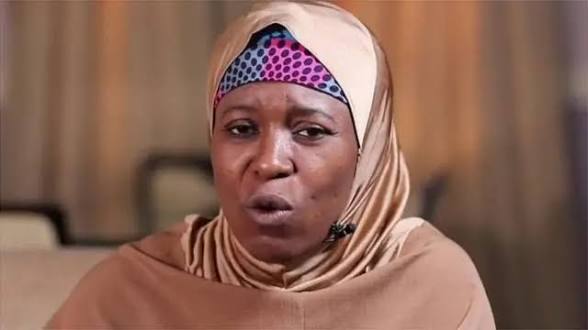
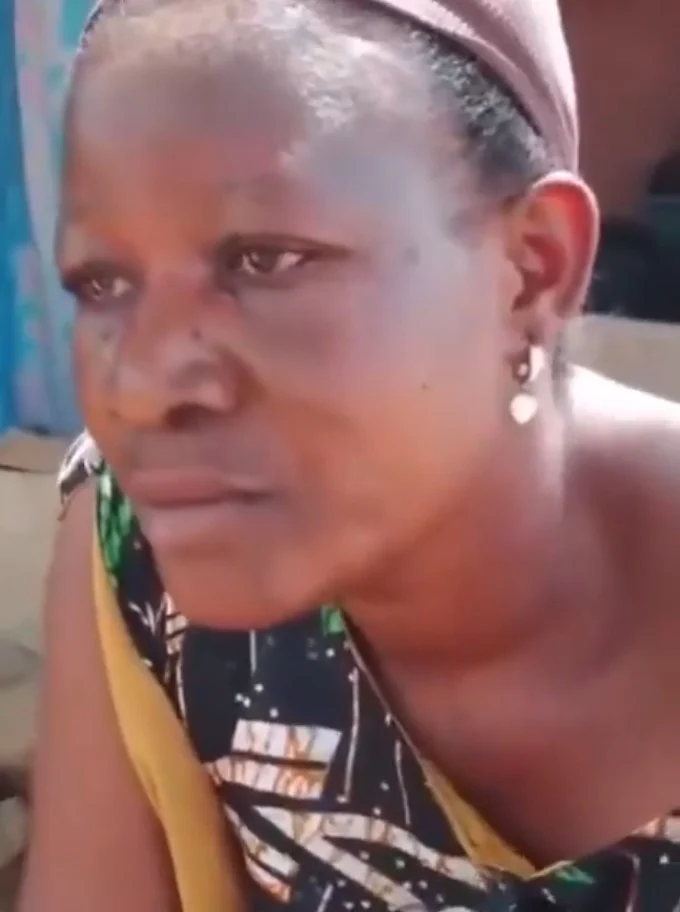
Residents across different parts of the state have continued to complain about limited access to clean and potable water, describing daily struggles to meet basic water needs. Some residents said even commercial water vendors now find it difficult to source water.
A resident of Masaka described the situation as distressing, noting that clean water has become increasingly scarce despite repeated government assurances. Another resident in Karu likened access to water to “finding gold,” describing the experience as exhausting and frustrating.
The spending pattern reflects earlier budget findings on the state’s 2025 appropriation. Analysis of the approved budget showed that ₦2 billion was allocated for the extension and renovation of the Nasarawa State House of Assembly complex in Lafia, with ₦1 billion earmarked each for construction and renovation works.
In comparison, constituency projects—such as borehole repairs, primary healthcare centre upgrades, and road rehabilitation—were allocated ₦960 million, a figure lower than the amount set aside for the Assembly complex.
Further analysis revealed that ₦665 million was budgeted for the construction of three-block classroom buildings across the state, an amount significantly less than the allocation for the Assembly project. Data from the National Bureau of Statistics indicates that 39 per cent of school-age children in Nasarawa State lack access to education.
Healthcare allocations also showed disparities, with ₦1.5 billion budgeted for the construction of primary healthcare centres, ₦1.3 billion for the renovation of existing facilities, and ₦400 million for the Basic Healthcare Provision Fund.
The findings have intensified concerns among residents and observers over government spending priorities, particularly in sectors critical to public welfare such as water supply, education, and healthcare.