The National Assembly on Tuesday resumed full plenary sessions with a packed legislative agenda dominated by the scrutiny of the ₦58.47 trillion 2026 Appropriation Bill, an accelerated push to amend the Electoral Act, and an intensified effort to conclude the long-awaited review of the 1999 Constitution.
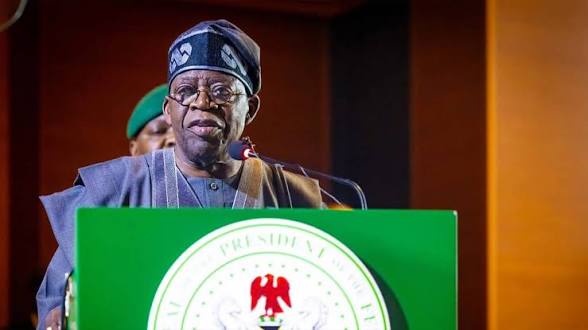
The return to plenary marks a critical phase for the legislature, as lawmakers seek to conclude major national priorities before the first quarter of the year and ahead of the 2027 general elections. Committees in both the Senate and the House of Representatives had already begun detailed assessments of the federal government’s budget estimates presented by President Bola Tinubu to a joint session of the National Assembly on December 18, 2025.
Senate Leader Senator Opeyemi Bamidele told journalists in Abuja on Monday that the chambers would “devote quality time to the scrutiny and passage of the 2026 Appropriation Bill valued at ₦58.47 trillion.”
Describing the budget as “crucial to the growth, prosperity, and stability of our economy this year and even beyond,” Bamidele emphasised its potential to anchor macroeconomic stability and enhance Nigeria’s competitiveness on the global stage. “The budget, when it finally becomes effective, will further reinforce our collective resolve to guarantee our nation’s macroeconomic stability, deepen her global competitiveness and translate economic growth into jobs, higher incomes and a better quality of life across the federation,” he said.
Bamidele also reiterated the Assembly’s commitment to restoring the traditional January-to-December budget cycle, which has been disrupted in recent years due to late passage of budget estimates. “Achieving these ends might be tough, perhaps unattainable, given the bottlenecks we have experienced before now,” he acknowledged.
The Senate Leader linked improved funding prospects to recent fiscal reforms, highlighting the 2025 Tax Reform Act as a measure that “recalibrated the nation’s fiscal space to reduce the tax burden on low-income earners while placing more responsibility on high-income earners.” He said the reforms would help reduce the budget deficit over time. “Unlike previous years, we have significantly reformed our fiscal space to reflect our socio-economic realities. From the reforms of our fiscal space, we believe funding our budget will no longer be a challenge, and our budget deficit will definitely begin to shrink year by year,” Bamidele stated.
According to related reporting on President Tinubu’s budget presentation, key sectoral priorities in the 2026 proposal include allocations for defence and security, infrastructure, education and health, with national security receiving notable emphasis as a foundation for development and investment.
Beyond fiscal matters, the National Assembly is prioritising comprehensive amendments to the Electoral Act to enhance the credibility and transparency of the 2027 general elections. Bamidele said the proposed Electoral Bill, 2025 contains “over 20 major innovations,” including provisions on voting rights for inmates, early release of election funds to the Independent National Electoral Commission (INEC), electronically-generated voter identification, real-time transmission of polling unit results, standardised delegates for indirect primaries, stricter voter registration requirements, and tougher sanctions for electoral offences. “Apart from the 2025 Appropriation Bill, we are prioritising the delivery of an electoral governance framework that will guarantee a credible and transparent process in the 2027 general elections,” he noted.
Also high on the agenda is the review of the 1999 Constitution, a process that has seen extensive technical sessions and zonal public hearings across the country. Bamidele said that before the end of the first quarter, the Deputy Senate President, Senator Barau Jibrin, is expected to lay the final report of the constitutional review before the Senate. “The review of the 1999 Constitution is also at its peak. Before the first quarter elapses, the Deputy President of the Senate and Chairman, Senate Committee on the Review of the 1999 Constitution, Senator Barau Jibrin, will lay the report of the exercise before the Senate,” he assured.
The final phase of the process will require approval by at least two-thirds of the 36 state Houses of Assembly, underscoring the crucial role of sub-national legislatures in effecting constitutional change.
Reflecting on the lifespan of the 10th National Assembly, Bamidele noted that only 16 months remain out of its constitutionally prescribed four-year term, vowing that lawmakers would intensify reforms touching on governance, elections, and economic diversification as the clock ticks down. “At this highly critical time, when what happens in other parts of the world now dictates the direction of our economy and polity, the onus rests much more upon us than at any time in history to reinforce our constituents’ trust in their representatives, in the National Assembly and in their fatherland,” he said.