The Nigeria’s First Lady, Senator Oluremi Remi Tinubu, held meetings with members of the United States Congress and senior officials in Washington last week to address mounting concerns about the safety of Christians in Nigeria and defend her country’s handling of its complex security crisis, according to diplomatic sources.
Mrs. Tinubu’s engagements, which took place on the sidelines of the annual National Prayer Breakfast, a high-profile gathering of political, business, and religious leaders, came as the U.S. government increasingly frames violence in Nigeria through the lens of religious persecution.
During the event, former U.S. President Donald Trump, whose administration has been vocal on the issue, referred to Mrs. Tinubu as “a very respected woman” in his address, a remark that highlighted the diplomatic weight of her visit.
In her discussions with lawmakers from both sides of the political aisle, Mrs. Tinubu sought to rebut what she and Nigerian officials see as an oversimplified and misleading portrayal of insecurity in her home country. A source familiar with the meetings, speaking on condition of anonymity, told AFP that she pressed Washington to recognise the Government of Nigeria’s efforts to protect all citizens.
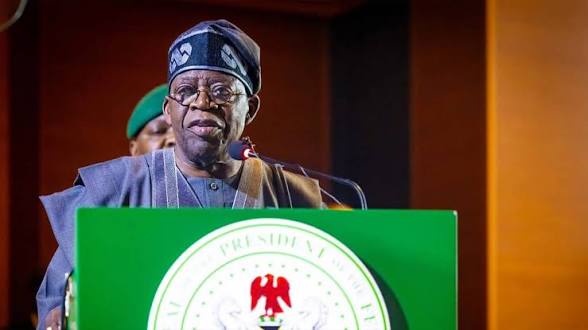
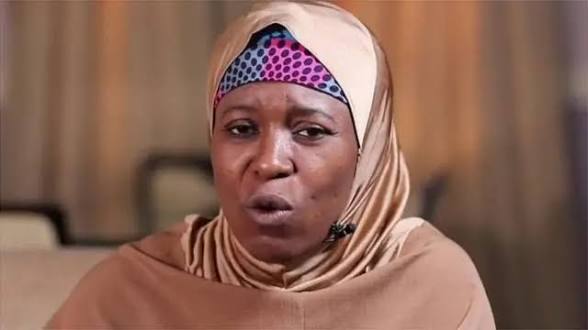
Mrs. Tinubu, who is a Christian pastor and spouse of President Bola Tinubu, underscored her mission in remarks to The Hill, stating she came to Washington primarily “to build relationships.” She described the intense focus on Nigeria’s security situation as almost providential, saying it has brought global attention to problems that have long been overshadowed. “Divine in the sense that, who would have even noticed Nigeria? Or to really understand what we are grappling with and trying to build the country?” she said.
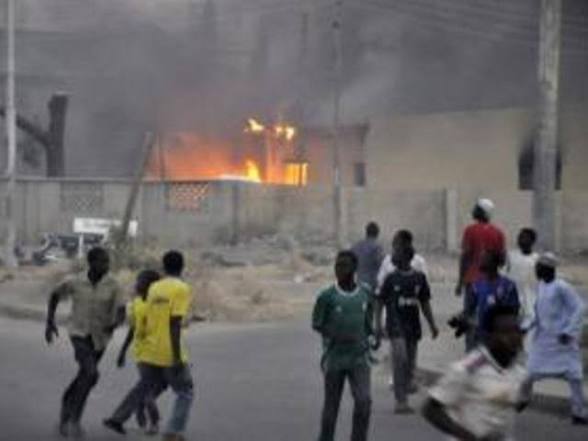
Her comments reflect a broader pushback from Abuja against the framing of the crisis as primarily religious, a point reiterated by senior Nigerian officials in recent months. Critics within Nigeria and abroad argue that violence in the country is fuelled by overlapping challenges, including jihadist insurgencies, banditry, resource disputes and communal clashes, not solely sectarian motives.
The meetings occurred against a backdrop of heightened U.S. scrutiny over alleged anti-Christian violence in Nigeria—a dynamic that has sharpened diplomatic tensions.
Earlier pressure from Washington included a controversial designation of Nigeria as a “Country of Particular Concern” for alleged violations of religious freedom, a move championed by former President Trump and supported by some U.S. lawmakers but rejected by Abuja as an inaccurate characterisation.
Some U.S. legislators have pressed for concrete actions, including sanctions and reform of Sharia-based laws, if Nigeria does not curb what they describe as targeted attacks on Christian communities. Rep. Mario Díaz-Balart warned that “Nigeria is out of time…the killings must stop, and the government must act now,” and outlined conditions such as prosecution of attackers and reform of state legal codes as potential prerequisites for continued cooperation.
Although violence, including kidnappings, massacres and attacks on villages, has affected communities across faiths, U.S. lawmakers like Riley Moore have sharply criticised the Nigerian government, alleging denial of a growing crisis and calling for greater accountability.
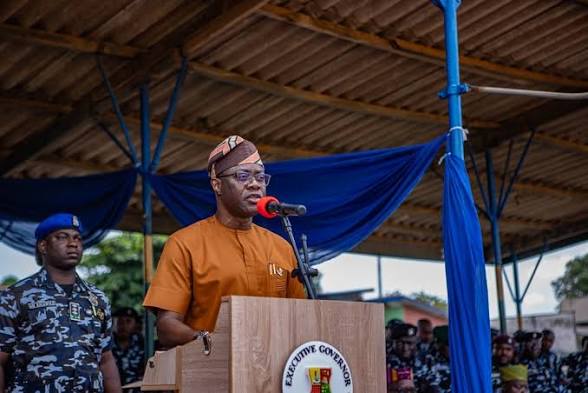
In contrast, Nigerian authorities, including Attorney-General Lateef Fagbemi and Information Minister Mohammed Idris, have consistently reiterated that insecurity is not driven by religious animosity and that claims of genocide or systematic persecution are based on flawed data. They emphasise constitutional guarantees for freedom of religion and point to broader criminality and terrorism as the root of the unrest.
Despite the diplomatic friction, there are signs of ongoing cooperation. Nigeria and the U.S. have stepped up joint counterterrorism efforts, including U.S. support for intelligence sharing and aerial operations against jihadist militants. A U.S. strike in December targeted extremist positions in coordination with Nigerian forces, underscoring a willingness to work together on shared security concerns even as political disagreements simmer.
Mrs. Tinubu’s visit may be seen as part of Abuja’s effort to recalibrate perceptions in Washington and emphasise a collective approach to the nation’s security challenges, one that acknowledges religious sensitivities without reducing a multifaceted conflict to sectarian narratives.