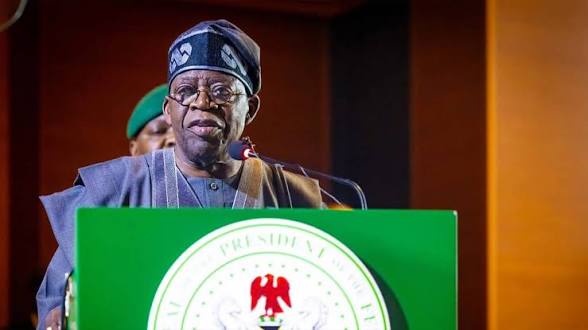
The African Democratic Congress has said the reported increase in Nigeria’s poverty rate to 63 per cent after the removal of petrol subsidy reflects the performance record of President Bola Tinubu’s administration.
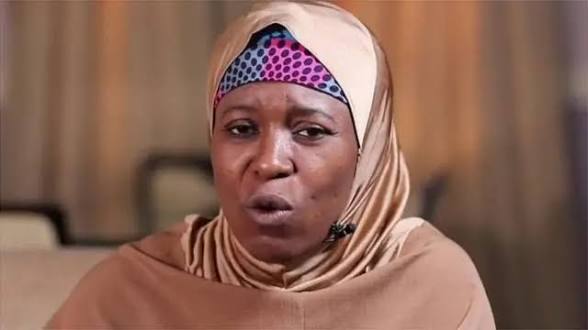
The opposition party made this known in a statement released by its National Publicity Secretary, Bolaji Abdullahi, who said the figures highlight the growing economic hardship being experienced by many Nigerians.
According to Abdullahi, the development shows the consequences of the Federal Government’s economic policies, which he said have worsened the cost-of-living crisis across the country.
“The African Democratic Congress views the latest report indicating that Nigeria’s poverty rate has climbed to 63 per cent after the removal of petrol subsidy by President Tinubu three years ago as a strong indictment of the administration’s economic approach,” he said.
He added, “For millions of Nigerians, this report simply reflects the reality they face daily — rising prices, shrinking purchasing power and increasing financial pressure on families.”
Abdullahi noted that the figures were revealed during a policy dialogue held in Abuja on Thursday, where analysts disclosed that poverty levels rose sharply from about 50 per cent before the subsidy removal to 63 per cent afterwards.
“The report shows how higher fuel and transportation costs filtered through the economy, leading to increases in the prices of food, transport and other basic needs,” he said.
He further criticised the government for removing the subsidy without adequately considering the effects on ordinary citizens.
“This development highlights the consequences of the APC government’s decision to hurriedly remove the fuel subsidy without fully assessing how such a major policy would affect the livelihoods of the people,” Abdullahi stated.
He also questioned the government’s explanation that the policy was meant to free up resources for key sectors of the economy.
“The government repeatedly argued that ending the subsidy would allow more funds to be channelled into vital sectors such as health and education. However, three years later, Nigerians have yet to see meaningful improvements in these areas,” he said.
Abdullahi also cited survey results indicating widespread dissatisfaction with the current economic situation in the country.
“Available independent surveys show that about 93 per cent of Nigerians believe the country is moving in the wrong direction under President Tinubu,” he said.
He added, “Another 88 per cent describe the national economy as being in a bad state, while 74 per cent say their personal living conditions have deteriorated. These figures represent the voices of people struggling under severe economic strain.”
The ADC spokesman also spoke about the growing level of deprivation across the country.
“There is increasing evidence that many Nigerians are being forced to live without essential needs such as adequate food, clean water, healthcare services, cooking fuel and even regular income,” he said.
“For millions of households, hardship is no longer occasional but has become a constant part of everyday life.”
Abdullahi stressed that the effectiveness of any economic policy should be measured by how it improves the welfare of citizens.
“The African Democratic Congress believes that the real test of economic policies is whether they improve the lives of the majority and protect the most vulnerable members of society,” he said.
“Judging by this standard, the APC government has clearly fallen short.”