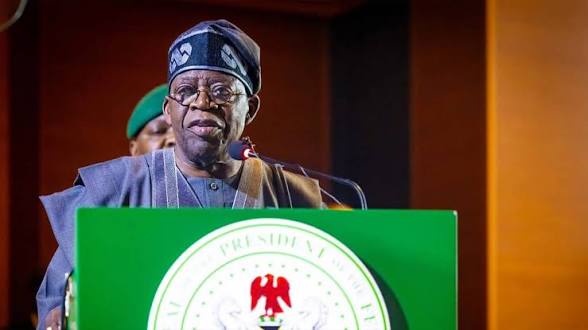
Several ministers in the administration of Bola Ahmed Tinubu are reportedly assessing their political strength and grassroots support as the deadline to resign from office ahead of the 2027 elections approaches.
The development follows a directive requiring political appointees seeking elective positions to step down from office before March 31, 2026, a move expected to affect at least nine members of the Federal Executive Council.
Among those linked with governorship ambitions is the Minister of Power, Adebayo Adelabu, who is widely believed to be preparing for another run for the Oyo State governorship. Analysts say his potential bid could face stiff competition due to the strong influence of the incumbent governor, Seyi Makinde, and the dominance of the Peoples Democratic Party in the state.
Similarly, the Coordinating Minister of Health and Social Welfare, Muhammad Ali Pate, is being linked with a possible governorship race in Bauchi State. The Minister of Foreign Affairs, Yusuf Maitama Tuggar, is also believed to be considering the same contest.
Other ministers reportedly weighing their options include the Minister of Communications and Digital Economy, Bosun Tijani, who may test his political popularity in Ogun State, and the Minister of Agriculture and Food Security, Abubakar Kyari, who is speculated to be preparing for a governorship bid in Borno State.
Political observers say the ministers’ hesitation to resign immediately may be due to the advantages of remaining in office while assessing their chances within party structures and grassroots networks.
Meanwhile, the Minister of the Federal Capital Territory, Nyesom Wike, is also being mentioned in political calculations ahead of the 2027 elections. Sources within the Peoples Democratic Party suggest he may be considering a move that could influence the party’s strategy in the next presidential race.
Analysts say the eventual resignation of ministers seeking elective positions would trigger administrative changes within ministries, with permanent secretaries expected to take over in acting capacities pending new appointments.
However, some public affairs commentators argue that the possible exits reflect a broader pattern in Nigerian politics, where government appointments often serve as stepping stones to higher political ambitions rather than opportunities for long-term institutional reform.