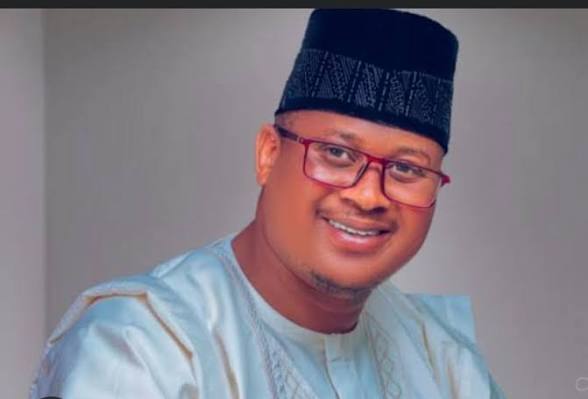
The Deputy Governor of Kano State, Aminu Abdussalam Gwarzo, has resigned from his position, bringing an abrupt end to his tenure.
Confirmation of the development came on Friday through his media aide, Ibrahim Shuaibu, who disclosed that the resignation had been officially conveyed but offered no insight into the reasons behind the move.
“Yes, he has stepped down from office,” Shuaibu stated briefly.
The resignation follows a period of mounting tension between the deputy governor and the Kano State House of Assembly, which had recently accused him of misconduct and questioned aspects of his official responsibilities.
Sources indicated that lawmakers had begun moves widely seen as a build-up to possible sanctions, heightening concerns over a looming crisis within the state’s leadership.
The situation is unfolding alongside recent political developments in the state, particularly the defection of Governor Abba Yusuf to the All Progressives Congress, which has triggered notable changes across government structures.
In what appears to be part of a broader administrative overhaul, the governor had earlier removed the Head of Service, Abdullahi Musa, in a bid to reposition the civil service.
Also affected by the restructuring was the Commissioner for Investment, Commerce and Industry, Shehu Wada Sagagi, who was relieved of his appointment as part of efforts to improve governance.
Political watchers say the ongoing changes signal a strategic effort by the administration to consolidate control and align governance with its new political direction.
While the exact nature of the allegations against Gwarzo remains unclear, insiders within the Assembly suggested the issue was already under consideration before his decision to resign.
Efforts to get an official reaction from the Kano State Government did not yield results as of press time.
His resignation is expected to activate constitutional provisions for the emergence of a new deputy governor, pending endorsement by the state legislature.
Observers believe the development may further reshape Kano’s political landscape as shifting alliances continue ahead of future electoral contests.