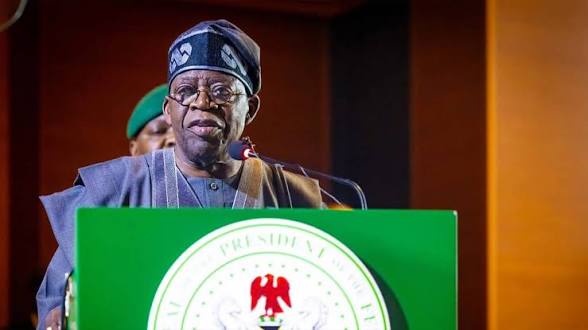
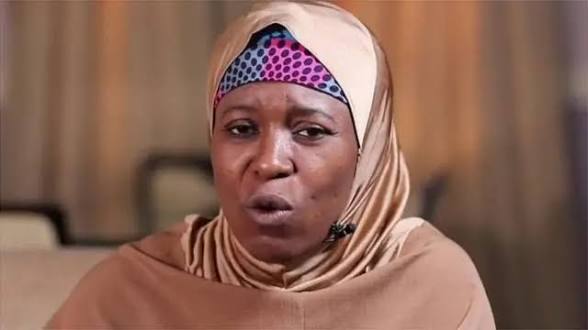
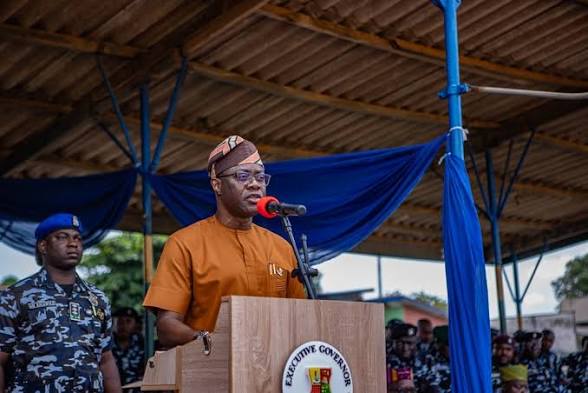
Otega Ogra, a Senior Special Assistant on Digital & New Media to the President Tinubu, has criticised former Minister of Youth and Sports Development, Bolaji Abdullahi, over his comments on the state of the nation, accusing him of distorting facts and ignoring his past role in governance.
Otegra’s reaction was contained in a post shared on X, formerly known as Twitter, on Sunday by an Aide to President, Sunday Dare and was sighted by Legal Observer.
In the lengthy post, the presidential aide faulted Abdullahi for what he described as “selective memory,” noting that while his message appeared emotional and well-crafted, it failed to acknowledge historical realities and his involvement in previous administrations.
Otegra said it was inappropriate for Abdullahi to criticise the current administration on the occasion of the birthday of Bola Tinubu, adding that the former minister’s remarks overlooked the long-standing structural challenges facing the country.
He argued that the current economic hardship, including rising fuel prices, did not originate from the present government but was the result of years of policy distortions, including fuel subsidy regimes that, according to him, were unsustainable.
The aide maintained that the decision by the Tinubu administration to remove fuel subsidy was necessary, despite its painful consequences, stressing that it was aimed at preventing a future economic collapse.
According to him, the ongoing reforms represent a difficult but essential transition, noting that what may appear as hardship in the short term is part of a broader effort to stabilise and rebuild the economy.
On security, Otegra said Abdullahi’s claims lacked balance, insisting that Nigeria’s challenges did not begin with the current administration and would not be resolved overnight.
He noted that the government had made progress in strengthening security coordination, improving intelligence gathering, and investing in equipment, even though more work remains to be done.
Dare also rejected claims that Nigeria was collapsing, describing such assertions as exaggerated and unhelpful to national development.
On the economy, he acknowledged existing pressures but said there were signs of improvement, including stabilising foreign exchange conditions, rising revenues, and renewed investor confidence.
The presidential aide further dismissed concerns about democratic decline, pointing out that the ability of critics to openly express dissent was evidence that democracy remained active and functional.
He accused Abdullahi of criticising a system he once helped shape, adding that it was inconsistent to demand urgency now while defending past delays when he was part of government.
Otegra concluded that Nigeria was undergoing a necessary phase of correction and transition, expressing confidence that ongoing reforms would yield long-term benefits despite present difficulties.